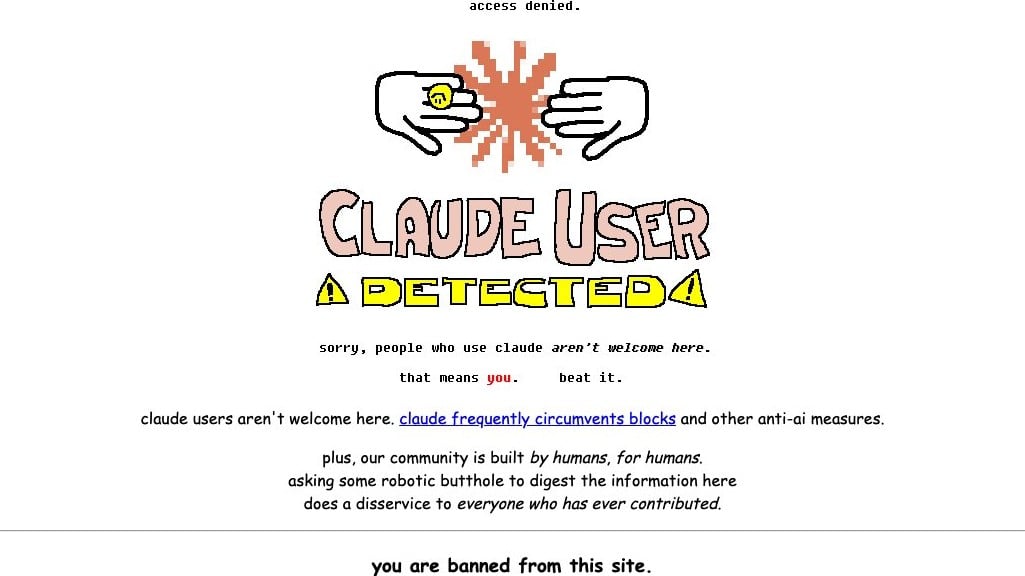
A distributed denial-of-service attack took down a major video game wiki after moderators banned a user for repeatedly inserting AI-generated content into pages. The attack followed the removal, with the banned user allegedly receiving a screenshot showing crude artwork as a parting message from the community.
The incident reflects escalating tensions within gaming communities over artificial intelligence integration. Wiki moderators face mounting pressure as contributors increasingly attempt to inject AI-generated text, images, and game guides into crowdsourced databases that have operated for decades on human-created content. This particular case demonstrates how forcefully some users resist enforcement of those standards.
The wiki in question serves as a central repository for game information, patch notes, strategy guides, and community knowledge across multiple titles. Its disruption affects thousands of players who rely on it for walkthroughs, lore databases, and technical reference material. The DDoS attack rendered the entire site inaccessible, preventing legitimate users from accessing archived content.
Moderation decisions around AI content have become a flashpoint across gaming communities. Discord servers, subreddits, and wikis implement varying policies. Some ban all AI-generated submissions outright. Others allow AI tools only for administrative tasks. Most ban AI art claiming to be original work but debate whether AI-assisted writing violates community standards. The lines remain blurry across platforms.
This escalation reveals how seriously some users take those boundaries. Rather than accepting a ban through established appeal processes, the accused individual opted for infrastructure sabotage. The retaliation tactic mirrors broader online behavior patterns where users target sites hosting policies they oppose. Previous gaming communities experienced similar attacks over moderation decisions around controversial speech and content removals.
The wiki's recovery required technical intervention to restore services and reinforce protections against future attacks. Moderators faced decisions about whether to harden defenses, expand moderation teams, or revise policies to reduce conflict. Each option carries trade-offs. Stricter AI policies risk more confrontations. Relaxed enforcement undermines quality control that contributors built over years.
The incident also highlights volunteer burnout in gaming communities. Wiki moderators typically work unpaid, managing thousands of edits monthly while balancing user expectations against content standards. Adding AI-related disputes to that workload strains already stretched teams. Some experienced contributors have stepped back from moderation roles specifically because policy debates around AI exhausted them.
Broader implications extend to content curation across gaming platforms. As generative AI tools proliferate, communities from wikis to forums to content platforms must decide enforcement approaches. Those decisions will shape what kind of knowledge gets preserved and trusted within gaming culture. Communities that manage this transition effectively retain authority. Those that fracture or collapse lose their institutional knowledge.
The wiki community continues operating with reinforced security measures. Moderators have not announced policy changes, suggesting they view the ban decision as justified and the attack as a separate violation warranting its own response. How other gaming communities respond to similar pressures remains an open question as AI integration accelerates throughout the industry.