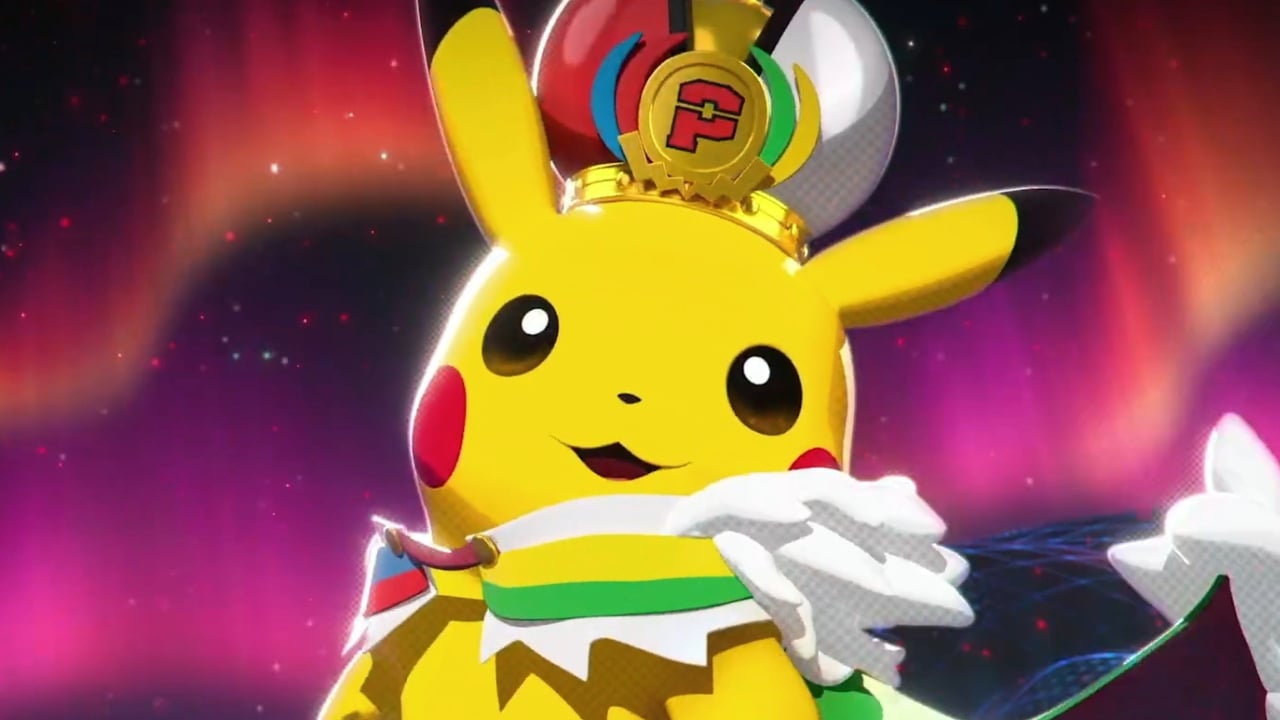
The Pokémon Company wrapped up one of its largest annual events, and the celebration among competitive players and casual fans hit fever pitch. The World Championships and XP convention drew massive crowds, creating a FOMO-inducing spectacle for players unable to attend in person.
The World Championships segment featured the franchise's elite trainers competing across multiple formats. Pokémon TCG players battled for championship titles and prize pools, while the video game competitors ran structured tournaments in the current generation titles. The event showcased both established champions and rising talent breaking through to the professional circuit. Attendees gained exclusive access to early product reveals, limited-edition merchandise, and hands-on time with upcoming expansions before public release.
XP convention served as the broader fan experience hub. The Pokémon Company filled exhibition floors with interactive booths, playable demos, rare card displays, and celebrity trainer meet-and-greets. Artist alley sections featured official creators and fan artists. Trading floors became nerve-wracking economies where players hunt graded vintage cards and sealed boxes of classic expansions. The show floor culture itself became the draw, with attendees networking, collecting autographs, and flexing their latest hauls on social media.
The scale triggered legitimate exclusion anxiety. Remote viewers and non-attendees scrolled through social feeds packed with championship moments, unboxing videos, and sneak peeks at products launching months away. Players holding high-grade Charizards and Base Set booster boxes became celebrities for the weekend. The Pokémon Company deliberately engineered FOMO through limited drops and convention-exclusive products, banking on competitive trader psychology and collector completionism.
The video game competitive side remains robust. Sword/Shield and Scarlet/Violet tournaments draw serious players hunting ELO ratings and invitations to global circuits. The TCG competitive layer actually eclipsed video game attendance at recent Worlds, indicating card game resurgence after years of explosive growth following 2020-2021's pandemic-fueled shortage spike. Grading companies like PSA and CGC maintained booster box authentication stations, recognizing card value now justifies expert certification.
The convention pulled from multiple Pokémon verticals under one roof. Pokémon Unite esports showcases attracted MOBA competitors. The Pokémon Go community participated through location-based events and raid battles coordinated during convention hours. TCG deck builders tested brews against pro players. Video game tournament brackets ran concurrently on multiple stages. This cross-vertical strategy keeps all franchise segments engaged and spending.
The exclusivity angle worked. Players who couldn't attend faced real disadvantages. Exclusive product drops sold out within hours. Championship-winning decks became instant collector items. Early footage of unreleased expansions spread through YouTube within minutes, pushing retail pre-orders. Convention attendees networked into insider trading groups and product flipping operations.
The Pokémon World Championships and XP convention proved the franchise remains a cultural juggernaut capable of mobilizing thousands in-person while triggering genuine anxiety among millions watching remotely. The Pokémon Company balances competitive legitimacy with spectacle, grassroots player investment with mainstream entertainment appeal. Until the next convention, remote players accumulate for next year's event, mentally bookmarking flights and hotel reservations.