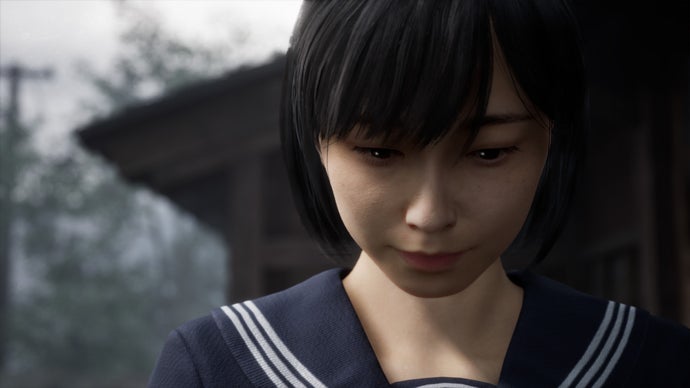
Konami plans to release Silent Hill games annually going forward, marking an aggressive expansion of the dormant horror franchise after a decade-long drought. The publisher also intends to develop vaguely described "experiences" alongside mainline titles, though details on what these experiences entail remain unclear.
The announcement comes after an unusually productive three-year stretch for Silent Hill. Since 2022, Konami has shipped Silent Hill F, the Silent Hill 2 Remake, Silent Hill Ascension, a new theatrical film, and the forthcoming Silent Hill: Townfall, launching next month. This represents a dramatic reversal from the franchise's wilderness years that spanned roughly ten years without significant new content.
The quality of these recent releases has proven uneven. Silent Hill F received critical praise for delivering a solid entry to the series. The Silent Hill 2 Remake, developed by Bloober Team, restored one of gaming's most iconic horror experiences for modern platforms. Silent Hill Ascension, however, found less favor with fans and critics. The recently released film adaptation was widely panned as a misstep, with reviewers and audiences dismissing it as laughably bad.
Konami's commitment to annual releases signals confidence in the franchise's commercial viability, though the publisher's track record with Silent Hill outside of games gives pause. The franchise's expansion into film, television, and other media has produced inconsistent results. The vaguely described "experiences" Konami mentions could range from interactive projects to augmented reality content, tie-in merchandise, or experiences tied to theme parks and live events. The publisher has not provided specifics.
The gaming industry has witnessed similar publishing strategies backfire. Annual release cycles often result in franchise fatigue, particularly in the horror genre where player expectations for innovation and fresh scares run high. However, staggered releases from multiple development studios could theoretically sustain audience interest without overburdening any single team.
Silent Hill: Townfall, set to launch within the month, will serve as an immediate test case for this strategy. The game represents developer No Code's entry into the franchise and employs an investigative, psychological approach to horror rather than action-heavy combat. Its reception will likely influence how aggressively Konami pursues its annual release roadmap.
The franchise's loyal fanbase has demonstrated appetite for new content after the long dormancy. Whether that appetite survives a parade of yearly releases remains to be seen. The horror gaming landscape has evolved significantly since the PS2 era when Silent Hill dominated the genre. Modern audiences now have access to titles like Resident Evil Remakes, Phasmophobia, Outlast, and Alan Wake 2, each carving out distinct niches within horror gaming.
Konami faces a critical balancing act. Flooding the market with Silent Hill content risks diluting the franchise's mystique and psychological impact. Horror thrives on dread and unfamiliarity. Yearly entries risk becoming predictable. Conversely, the publisher cannot afford to return to a decade without meaningful releases after finally rekindling player interest.
The real test arrives with Silent Hill: Townfall's launch. If the game performs commercially and critically, Konami will have validation for its aggressive expansion strategy. If it stumbles, the publisher may reconsider flooding the market.