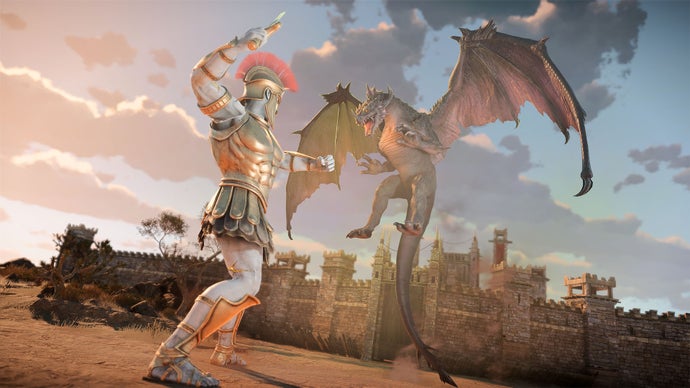
Ubisoft's Heroes of Might & Magic 3 remake arrives as a faithful recreation of the 1999 turn-based strategy classic, preserving the core experience that made the original a cornerstone of the genre while layering in modernized conveniences for contemporary players.
The studio has committed to maintaining the spirit of the original game rather than reinventing it. The remake includes a new three-mission prologue designed to onboard players into the game's mechanics before dropping them into the campaign proper. Beyond that structural addition, Ubisoft has woven in quality-of-life improvements without fundamentally altering how the game plays.
This remake arrives at an interesting moment for the franchise. Hooded Horse and Ubisoft are simultaneously backing Unfrozen's Heroes of Might & Magic: Olden Era, representing the first major new entry in the series since the early 2010s. That dual approach, legacy remake plus fresh IP, suggests publishers believe the franchise has runway both in nostalgia and new player acquisition.
Heroes of Might & Magic 3 stands as the series' critical and commercial high water mark. Released in 1999, it defined turn-based fantasy strategy for an entire generation. The game's hex-based tactical combat, asymmetrical faction design, and campaign structure influenced countless successors. Its 2000 expansion, The Shadow of Death, essentially cemented it as the definitive entry. Competing against sprawling, resource-heavy modern games, HoMM3 remains playable in ways many 1990s titles are not.
Remaking it carries obvious risk. Fan bases around legacy games are notoriously protective. Changes feel like betrayals. Faithful recreations can feel pointless in the age of emulation and GOG preservation. Ubisoft navigates this by respecting the original's design while addressing accessibility problems: obsolete UI patterns, clunky inventory systems, and resolution limitations that make older games feel cramped on modern displays.
The scope of changes Ubisoft has implemented beyond the prologue remains partially under wraps, but the studio's stated philosophy centers preservation over experimentation. This differs sharply from how some publishers approach remakes, where the urge to "improve" overrides historical accuracy.
The timing connects directly to ongoing interest in turn-based tactics. Baldur's Gate 3 reframed turn-based combat as premium rather than budget, demonstrating player appetite for deliberate, strategic gaming. Divinity: Original Sin 2 proved that indie-scale developers could execute complex tactical systems at AAA polish. The market has shifted. Turn-based is no longer a compromise format for players who cannot run real-time engines.
For newcomers, HoMM3's remake presents a gateway into why the original mattered. The game's faction system, where each playable nation operates with distinct unit rosters and special abilities, forces strategic thinking before battle even begins. That asymmetry, rare in contemporaneous competitors, created thousands of hours of replayability.
Ubisoft's approach suggests confidence in the original design's fundamentals. Rather than chase current trends like roguelike mechanics or procedural generation, the remake doubles down on what made HoMM3 essential. The three-mission prologue serves newer players while the campaign proper tests veterans. It's a bridge between preserving history and enabling discovery.
The Heroes franchise needed this. After years of quieter installments and mobile adaptations that failed to capture the mainline appeal, a AAA remake of the series' peak signals renewed investment. Whether Ubisoft's execution matches its stated faithfulness will determine if the remake becomes the gateway back into the series for lapsed players, or merely a novelty for existing fans already equipped with the original.