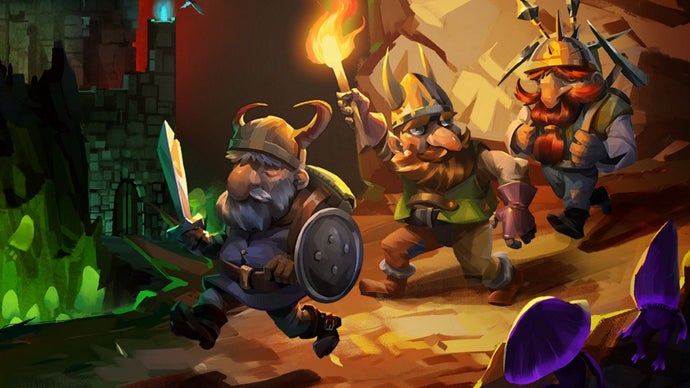
Dwarf Fortress, the notoriously complex ASCII-based colony simulation, is receiving a sprawling magic overhaul that rewrites how spellcraft functions at the core level. Bay12 Games co-founder Tarn Adams describes the incoming Myth and Magic update as procedural systems that extend "beyond combining spell effects, straight to the fundamental cosmological makeup of the universe," enabling magical interactions impossible in other fantasy games.
The scope here towers over typical magic implementations. Rather than treating spells as discrete abilities with set effects, the update rebuilds magic as a system tied directly to the game's world generation and simulation architecture. This means spells will interact with procedurally generated mythologies, deity pantheons, and cosmic rules unique to each world. Two separate Dwarf Fortress playthroughs could yield entirely different magical mechanics based on how that world's mythology was generated during world creation.
Adams emphasizes the system creates "magical situations you cannot get any other way." This language signals something beyond flashy visual effects or stat tweaks. The magic system appears designed to generate emergent scenarios where spells interact with the world's underlying simulation in unexpected ways. For a game already celebrated for producing absurd, unpredictable moments through systems depth, this represents another layer of complexity piled onto an already Byzantine ruleset.
The timing matters. Dwarf Fortress released on Steam in December 2022, bringing the 30-year-old indie sim to mainstream audiences after decades as a text-based PC exclusive. That console release on Nintendo Switch followed in 2023. While the Steam launch introduced graphical tilesets and UI improvements, the core game remained mechanically unchanged. This Myth and Magic update signals Bay12's commitment to evolving the experience rather than resting on the popularity of the Steam release.
The update also reflects player demand. Dwarf Fortress fans have long griped about magic underutilization in the base game. Magic exists but rarely feels essential compared to military prowess, resource management, and fortress administration. By tying magic to the procedurally generated cosmology, Adams appears addressing this gap. Magic won't become mandatory, but it will feel genuinely consequential when deployed.
Implementation challenges exist. Dwarf Fortress already runs slowly on many machines due to simulation overhead. A magic system that taps into cosmic generation and world simulation could tank performance further. Bay12 will need to balance feature ambition with playability. Given the studio's track record, however, they prioritize mechanical depth over optimization.
The larger industry implication matters. As AAA studios chase cinematic magic systems with pre-baked animations and effects, Dwarf Fortress moves in the opposite direction: systemic, procedural, and tied to deeper simulation. This approach generates organic weirdness rather than designed spectacle. It's a reminder that magic, narratively and mechanically, works better when it feels strange and incompletely understood, not polished and familiar.
Release timing remains unspecified. Bay12 operates on their own schedule, historically delivering updates when complete rather than launching on deadlines. Expect this update sometime in 2024 or beyond, but Bay12 rarely disappoints when the wait concludes.