# Steam's Latest Co-op Craze Demands You Actually Have Friends
The newest wave of multiplayer games on Steam pivots hard toward cooperative play, and one title exemplifies the brutal reality of going solo: immediate death by spider crab. This emerging trend of "friendslop" games, community shorthand for titles designed specifically around group play, now dominates Steam's trending charts and player engagement metrics.
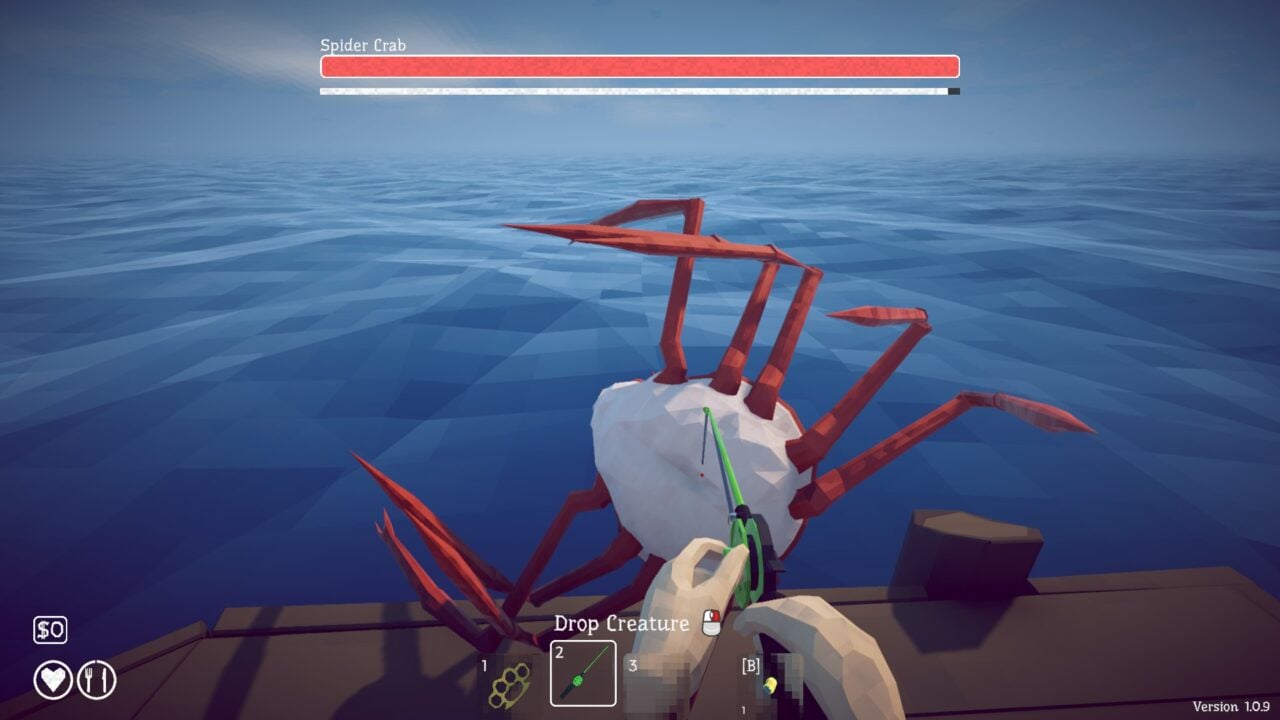
The game in question follows a simple premise. Players enter alien environments packed with hostile creatures. Solo runs collapse fast. The spider crab encounter serves as an immediate skill check that separates coordinated squads from lone wolves. Without backup, without communication, without someone covering your flank, you die within minutes.
This design philosophy marks a departure from the single-player and optional co-op structures that defined early Steam hit cycles. Developers increasingly build matchmaking, progression systems, and difficulty scaling that penalize isolated attempts. The meta rewards group formation, Discord servers, and pre-arranged teams. Game design itself now enforces social play.
Steam's recommendation algorithm accelerates this shift. Titles with strong player retention and group participation rank higher in discovery. Players searching for popular games encounter these co-op heavyweights first. Roguelike and survival mechanics pair naturally with group dynamics. Fall damage, resource scarcity, and environmental hazards become more threatening when you handle them alone.
The spider crab example cuts to the core issue. Solo players face mechanics tuned for squad coordination. Enemies attack from multiple angles. Healing requires sacrifice. Ammo becomes scarce. The game doesn't scale difficulty for single players because the design never contemplated that scenario. You need three or four bodies on the field. You need roles: tank, damage dealer, healer, support. One player cannot fill all four simultaneously.
Player reception splits predictably. Solo players and introverts express frustration across Reddit and Steam reviews. They paid full price for a game they cannot reasonably complete alone. The barrier to entry extends beyond mechanical skill. It demands social capital. You need friends with matching schedules, similar skill levels, and tolerance for repeated deaths.
Developers defend this approach. Balancing solo and group play doubles design complexity. Multiplayer-focused development costs less than maintaining separate solo campaigns. Player retention improves when social mechanics bind users to the game. A player invested in a squad commits longer than someone grinding alone.
Studios like Ghost Ship Games ("Deep Rock Galactic") proved the model works. Dedicated communities form around co-op titles. Player bases show remarkable retention. Cosmetics and seasonal content keep squads returning month after month. The mathematics favor this path.
But this trend creates accessibility issues. Players without friend groups struggle. Matchmaking systems pair strangers with varying commitment levels and communication skills. A single disconnection can torpedo a forty-minute run. The pressure to perform alongside unfamiliar players intensifies stress rather than creating fun.
Steam's newest hit illustrates both the appeal and the cost of friendslop design. The game delivers genuine thrills when coordinated squads push into hostile territory. Teamwork feels earned. Victory tastes sweeter. But solo players encounter a locked door immediately. The spider crab kills them because the game expects them to bring backup.