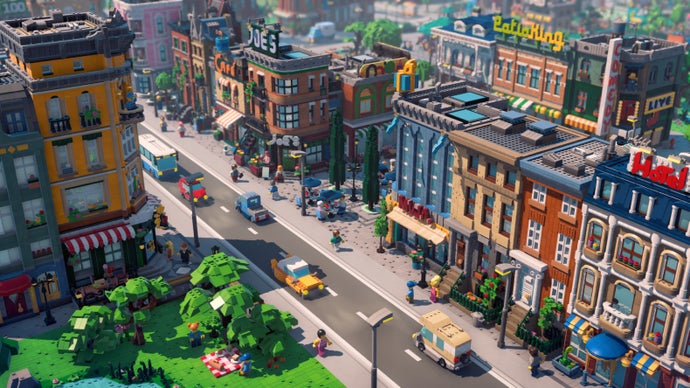
Iceflake Studios, the studio that took over development of the struggling Cities: Skylines 2, announced a new licensed city builder called Lego Skylines during Gamescom 2024. The announcement signals Iceflake's expanding role in the city-building space after inheriting the mess left by Colossal Order's troubled sequel.
Cities: Skylines 2 launched in October 2023 to significant player backlash. The game suffered from severe performance problems, balance issues, and gameplay systems that felt like steps backward from the original 2015 Cities: Skylines. Colossal Order, the original developers, struggled to course-correct the launch disaster. Performance remained choppy across PC and console versions. The game's building mechanics and traffic simulation felt stripped down compared to its predecessor. Player retention dropped sharply in the months following launch.
Paradox Interactive, the publisher, eventually brought in Iceflake Studios to lead development in 2024. The handoff acknowledged that Colossal Order could not salvage the project alone. Iceflake took over responsibility for patches, content updates, and the game's future direction. The studio has worked to address core systems, optimize performance, and restore player confidence. Progress has been incremental but visible.
Now Iceflake enters new territory with Lego Skylines. The licensed game applies Lego's colorful, brick-based aesthetic to city management. Details remain sparse, but the announcement positions it as a full city builder in the vein of Cities: Skylines, not a spin-off or mobile tie-in. The Lego IP brings name recognition and a younger demographic compared to the hardcore city-building audience. Lego has successfully expanded into video games through titles like Lego Fortnite, which became a top-performing title on Fortnite's Creative platform.
For Paradox Interactive, licensing Lego represents a strategic hedge. If Lego Skylines performs well, it generates revenue from a familiar entertainment property. If Cities: Skylines 2 continues to underdeliver, Lego Skylines offers an alternative path into the city-building market. The two games target overlapping but distinct audiences. Lego Skylines appeals to casual players and younger gamers. Cities: Skylines 2 aims at the simulation and optimization crowd.
Iceflake's dual responsibility carries risk. Dividing studio resources between saving Cities: Skylines 2 and launching a new Lego title could slow progress on either project. Alternatively, Lego Skylines might draw top talent away from Skylines 2 support. Paradox will need to staff both projects adequately to avoid repeating the mistakes that plagued the original sequel's launch.
The city-building genre remains robust. Indie titles like Spiritfarer, Dave the Diver, and Manor Lords have drawn critical acclaim. Cozy games and management sims perform well with streamers and content creators. Lego's brand loyalty provides distribution advantages. Success depends on Iceflake delivering stable, feature-complete gameplay at launch, a lesson learned from Cities: Skylines 2.