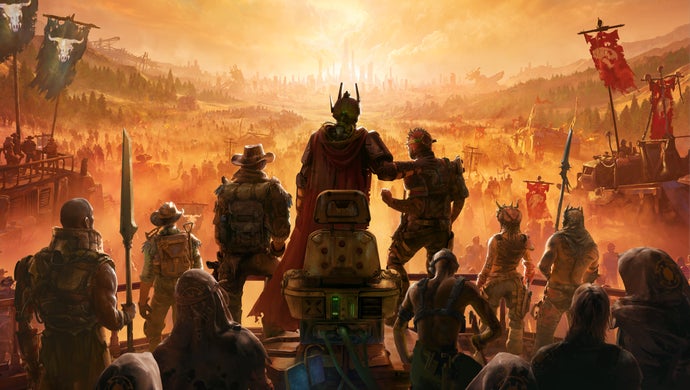
Paradox Interactive officially unveiled Afterworld, a post-apocalyptic grand strategy game that merges the studio's signature complexity with a Fallout-inspired wasteland setting. The announcement follows earlier leaks and confirms the project that Paradox's development team has been building alongside Crusader Kings 3 and Hearts of Iron 4.
Afterworld tasks players with leading wasteland tribes across a procedurally generated North America. The game leans into Paradox's grand strategy DNA, offering deep systems for faction management, territorial control, and dynastic gameplay. The premise allows for unconventional playstyles. You can construct a cannibal cult and use it as a viable path to continental domination, highlighting the sandbox freedom that defines Paradox's catalog.
The procedurally generated map represents a departure for Paradox's typical grand strategy offerings, which traditionally use fixed historical or fantasy geography. This approach increases replayability and lets each campaign feel distinct. Players build tribes from scratch, establish cultural practices (including taboos around diet), form alliances, and navigate the politics of post-collapse civilization.
Paradox has positioned Afterworld as a spiritual successor to its grand strategy formula rather than a departure. The game retains the intricate simulation systems players expect from studio releases. Tribe management involves character relationships, succession mechanics, and internal power struggles. External threats demand diplomatic maneuvering, military strategy, and resource allocation. The cannibal cult mechanic serves as one example of how player choice shapes emergent storytelling.
The post-apocalyptic setting distinguishes Afterworld from Paradox's historical and fantasy properties. Rather than medieval kingdoms or twentieth-century nations, players manage scattered human settlements rebuilding in ruins. This thematic shift opens design space for unusual mechanics. Radiation zones, resource scarcity, and technological regression create obstacles that differ fundamentally from Hearts of Iron's tank production chains or Crusader Kings' inheritance disputes.
The announcement timing matters for Paradox's portfolio. The studio maintains active development on Crusader Kings 3 with regular expansions and updates. Hearts of Iron 4 continues receiving content nine years after launch. Stellaris, Paradox's space 4X title, remains commercially active. Afterworld enters a market where players already have multiple grand strategy options from Paradox alone, suggesting the studio believes sufficient demand exists for another entry.
Procedural generation also signals Paradox's technical ambitions. Previous releases use hand-crafted maps with historical accuracy or designed balance. Procedural systems demand different design architecture. They must guarantee mechanical viability across infinite map variations while maintaining the detailed simulation Paradox games deliver.
The wasteland tribe concept appeals to players fatigued by historical grand strategy but interested in deep systems. Games like Skyrim and the Fallout franchise demonstrate strong appetite for post-apocalyptic settings. Combining that aesthetic with Paradox's mechanical depth addresses a gap in the grand strategy market. No other major 4X or grand strategy title pairs procedural generation with post-apocalyptic themes at this scale.
Afterworld enters production with high baseline expectations. Paradox's audience expects feature-complete launches followed by years of expansions. The cannibal cult mechanic signals the studio plans for distinctive playstyles and moral flexibility, consistent with how Crusader Kings 3 lets players pursue historically questionable or outright monstrous dynasties.
The game faces pressure to justify its existence alongside Paradox's existing portfolio. It must offer enough mechanical distinction from Crusader Kings 3 to warrant attention from series veterans. Success depends on whether procedural generation and post-apocalyptic themes generate sufficient novelty to separate Afterworld from genre fatigue among hardcore grand strategy players.