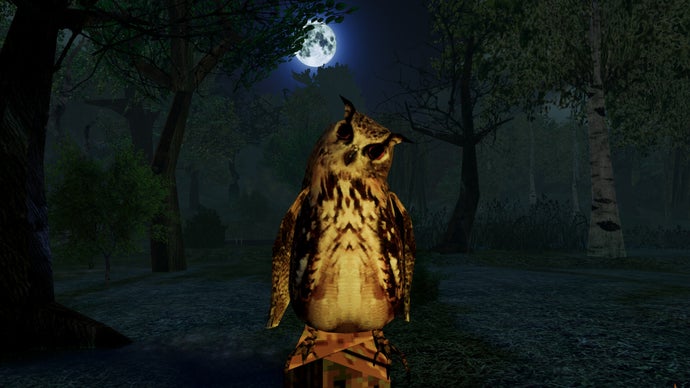
I Hear the Forest flips the wholesome forest ranger fantasy into psychological horror, trading serenity for dread. The freshly announced title tasks players with patrolling cursed woodlands where the natural world has twisted into something sinister and wrong.
The game strips away the calming woodland wanderer premise by introducing a curse that warps the ranger's perception and reality itself. Instead of peaceful animal management, players encounter talking trees, flying witch heads, and a deeply unsettling rabbit man creature lurking in the shrubbery. These aren't cute forest denizens. They're manifestations of something darker festering beneath the forest floor.
This approach represents a growing trend in indie horror. Rather than relying on jump scares or gore, I Hear the Forest opts for atmospheric unease and body horror. The rabbit man figure exemplifies this strategy. It's not grotesque or obviously monstrous. It's unsettling because it exists in an uncanny valley between familiar and alien. Talking trees similarly subvert expectations. Trees should be silent. When they speak, something fundamental breaks.
The cursed ranger concept grounds the horror in a relatable scenario. Forestry work involves isolation, routine, and extended periods alone in nature. I Hear the Forest weaponizes that isolation. The curse doesn't announce itself with apocalyptic fanfare. It creeps in gradually through environmental storytelling and behavioral anomalies. The ranger notices things are wrong because they know what normal looks like.
The game draws visual inspiration from folk horror and cryptid folklore. Witch heads, tree-speech, and humanoid rabbit creatures echo classic horror mythology while applying a contemporary indie sensibility. This blends Scandinavian woods mythology with cosmic dread, creating something that feels both timeless and distinctly modern.
From a market perspective, I Hear the Forest arrives as horror games continue fragmenting into specialized subgenres. Psychological horror games have found devoted audiences through titles like Amnesia, Outlast, and more recently through indie hits that prioritize atmosphere over action. A forest ranger simulator horror hybrid targets players exhausted by conventional haunted house narratives. It promises novel environmental storytelling paired with exploration mechanics that slowly reveal the curse's scope.
The ranger simulation element provides gameplay structure without traditional combat. Players manage their duties while witnessing increasingly surreal phenomena. This creates cognitive dissonance. The game expects players to perform routine tasks while surrounded by impossible horrors. That tension between mundane responsibility and escalating strangeness drives psychological engagement more effectively than direct threat sequences.
I Hear the Forest's announcement suggests a development team comfortable with weird, specific premises. The rabbit man alone signals creative confidence. Generic horror committees don't greenlight unsettling rabbit men. That willingness to embrace strange details over marketable scares indicates developers prioritizing artistic vision over broad appeal.
The horror landscape has shifted significantly. Players now seek experiences that linger and unsettle rather than startle. I Hear the Forest appears built for that audience. A cursed forest ranger encountering sentient flora and liminal creature designs delivers the kind of specific weirdness that haunts players long after credits roll.