# Terranigma Returns: The Lost SNES Masterpiece Gets Modern Platform Resurrection
Terranigma finally escapes its 35-year imprisonment on Super Famicom hardware. The action-RPG classic is landing on modern platforms, delivering what amounts to a second life for one of the console generation's most overlooked gems.
Originally released by Quintet in 1995 exclusively in Japan on Super Famicom, Terranigma never reached North American or European shores during the SNES era. The game became legendary among collectors and emulation communities precisely because of its scarcity and inaccessibility. Western players knew it only through import cartridges, ROM files, or secondhand accounts from dedicated enthusiasts. That isolation has defined the game's mystique for three decades.
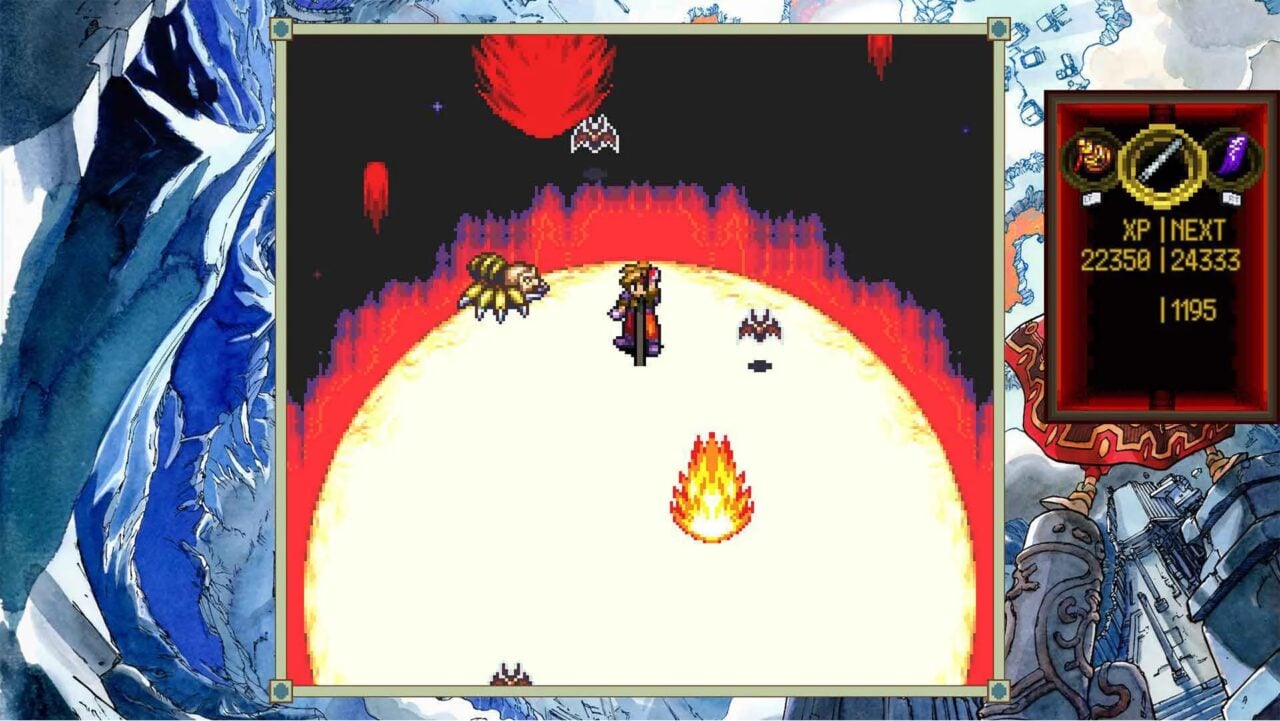
The 16-bit action-RPG combines real-time combat with town-building mechanics. Players control Ark, a resurrected warrior tasked with restoring the world after its literal destruction. The gameplay loops between dungeon crawling and returning home to rebuild civilization. Towns expand and develop as you complete quests and resurrect NPCs. This blend of action combat, narrative weight, and community progression set Terranigma apart from its genre peers. The game's ambition exceeded its commercial reach.
Quintet developed Terranigma as the final entry in their "Soul Blazer" spiritual trilogy, following Soul Blazer (1992) and Illusion of Gaia (1993). All three shared thematic DNA around resurrection and restoration. Terranigma pushed the formula furthest, offering the most cohesive marriage of combat mechanics and narrative consequence. Critics have spent decades arguing that Terranigma belongs in conversations about the SNES's greatest RPGs alongside Chrono Trigger and Final Fantasy VI. The platform limitation has always been the asterisk attached to that argument.
The port announcement breaks a pattern that has locked Quintet's catalog away from modern audiences. Neither Soul Blazer nor Illusion of Gaia saw official re-releases during the SNES Classic era. Emulation remained the only accessible option for Western fans wanting to experience these games legally. That changed today.
No official release date or platform list has been confirmed beyond the initial announcement. Industry watchers expect simultaneous deployment across Nintendo Switch, PlayStation 4, PlayStation 5, Xbox One, and Xbox Series X/S, following standard industry practice for legacy ports. PC versions remain uncertain pending publisher strategy.
The resurrection carries industry weight beyond nostalgia. Japanese publishers increasingly recognize library value in older properties. Nintendo's Virtual Console and Switch Online subscription service normalized re-releases. Capcom's Devil May Cry legacy collection and Konami's recent Castlevania releases demonstrated that dormant franchises generate genuine revenue when properly packaged. Terranigma's scarcity creates built-in demand among both original players seeking convenience and younger audiences discovering the game for the first time.
This move signals growing comfort among Japanese publishers with opening their vaults. The 16-bit action-RPG Renaissance continues through official channels rather than ROM sites. Terranigma's port proves that even the deepest cuts from hardware generations deserve restoration and modern accessibility. For three and a half decades, this game remained a legend told by its devotees. Now it becomes playable fact.