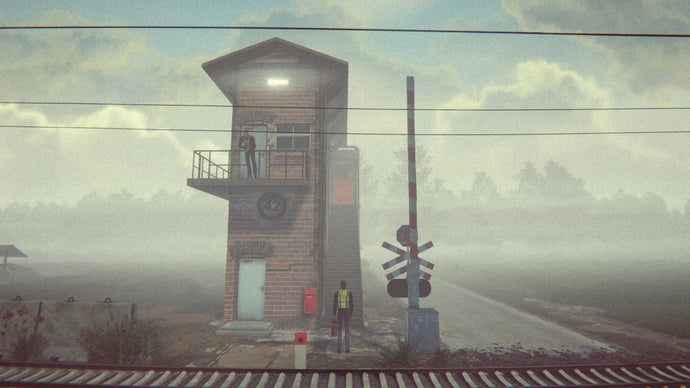
Trainwatch arrives as a genre-defying experience that blends life simulation, horror elements, and time management mechanics into a single narrative about the unsettling sights glimpsed from a moving train. The game constructs its core tension around observation and discovery, positioning players as passengers cataloging the strange, mundane, and occasionally disturbing scenes that flash past windows during a journey.
The title represents part of a broader renaissance in train-focused gaming that extends across multiple styles and platforms. Denshattack, developed with themes of counterculture optimism, positions itself as a J-pop stunt racer where players perform "locomotive kickflips" while exploring narratives about creating a better world. Fogpiercer, meanwhile, takes a tactical approach to train-based gameplay, recognizing the unexpected comedic potential of artillery mechanics used for environmental interaction rather than pure combat. This diversity in train games demonstrates how the railway setting serves as more than mere aesthetic window dressing. The train becomes a narrative framing device, a mechanical constraint, and a thematic anchor.
Trainwatch specifically leverages the train as a narrative pressure cooker. The speed of the carriage creates constant temporal pressure. Players cannot revisit what they miss. Every glance out the window matters because the landscape flows past at fixed intervals. This creates genuine stakes in a genre typically associated with relaxation and player freedom. Life sims normally grant players agency over their schedule and pacing. Trainwatch inverts this by locking players into a specific temporal rhythm controlled by the train's momentum.
The horror elements infuse psychological unease into what players observe. Rather than jump scares or grotesque imagery, the game appears to trade in the unsettling power of suggestion and isolation. Passengers on trains occupy liminal spaces. They watch the world pass without fully inhabiting it. Other travelers remain perpetually distant. Stations appear and vanish. This detachment creates natural grounds for existential dread and observation-based horror that doesn't rely on overt threats.
Time management mechanics layer onto this foundation by forcing difficult choices about attention and focus. With limited observation windows and the inability to rewind or revisit scenes, players must decide which details warrant their focus. This scarcity of attention transforms what could be passive viewing into active, consequential decision-making. Missing a crucial detail could mean losing narrative threads or failing to unlock story branches.
The game's haunting quality emerges from the collision of these elements. Life sims typically celebrate connection and community building. Trainwatch instead emphasizes distance and fragmentation. Horror games typically assault the player with immediate threats. Trainwatch whispers unsettling implications through the gaps in observation. Time management games usually reward efficiency and optimization. Trainwatch penalizes inattention with narrative loss.
This approach positions Trainwatch within a growing segment of indie narrative games that prioritize atmosphere and unconventional storytelling over traditional gameplay loops. Games like Kentucky Route Zero and Night in the Woods demonstrated appetite for journey-based narratives that value mood and thematic cohesion over mechanical complexity. Trainwatch appears to follow this template while adding genre layers that complicate player engagement.
The recent clustering of train-focused titles suggests the medium resonates with contemporary anxieties about movement, connection, and observation. Trains carry passengers through unfamiliar landscapes toward destinations beyond their control. They offer proximity without genuine relationship. They provide windows into other lives without invitation to enter them. These conditions create natural spaces for experimental storytelling that explores isolation, dislocation, and the strange intimacy of shared public space.