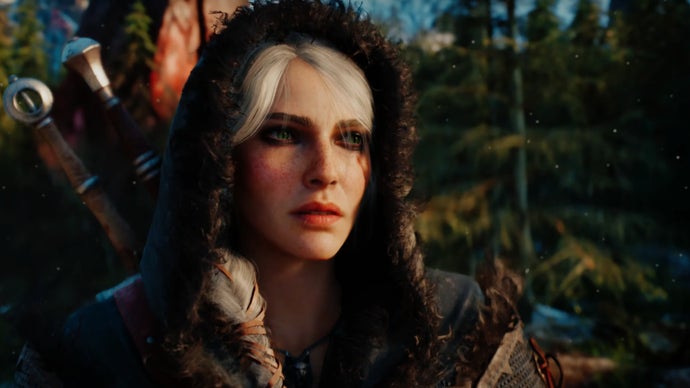
CD Projekt Red locked in 2028 as the target release window for The Witcher 4 during Gamescom, confirming what industry watchers suspected about the studio's timeline. The announcement arrives alongside news of Songs of the Past, a surprise expansion for The Witcher 3: Wild Hunt that the studio teased will carry "a dark story."
The 2028 date represents a significant gap between now and launch. The Witcher 3 released in 2015, making this the longest development cycle for a numbered entry in the franchise. CD Projekt Red switched to Unreal Engine 5 for The Witcher 4 after using Red Engine for three previous entries. That engine migration, coupled with the studio's recovery from the botched Cyberpunk 2077 launch and subsequent reputation damage, explains the extended timeline. The developer remains focused on quality and stability before shipping anything into player hands.
The Songs of the Past expansion signals CD Projekt Red's commitment to extracting additional value from The Witcher 3 ecosystem while the flagship sequel cooks. This is the first major expansion for Wild Hunt since Blood and Wine launched in 2016. The studio described the DLC as containing a "dark story," which aligns with the narrative tone fans expect from Geralt's adventures. Pricing and scope details remain unannounced, but the existence of substantial new content suggests this isn't a cosmetic pack or minor side quest addition.
The Witcher 3 sold over 35 million copies and remains one of the industry's best-selling RPGs. A decade-old game drawing fresh DLC investment indicates the title's continued commercial performance and player engagement. The expansion release likely serves dual purposes: it gives fans something concrete to experience before 2028 arrives, and it maintains CD Projekt Red's presence in the gaming conversation during the long wait for The Witcher 4's debut.
For CD Projekt Red, The Witcher 4 represents redemption after Cyberpunk 2077's fractured launch. The company faces pressure to deliver a polished, feature-complete RPG that lives up to The Witcher 3's legacy. Taking four years from now until 2028 reflects the studio's caution. Rushing The Witcher 4 would risk repeating the Cyberpunk 2077 disaster, which damaged player trust and the studio's reputation. Patient development works in favor of both the game's quality and CD Projekt Red's brand recovery.
The Unreal Engine 5 transition also influences that timeline. Building a massive open-world RPG on an unfamiliar engine takes longer than iterating on established technology. CD Projekt Red's team must master UE5's tools, pipeline, and optimization techniques specific to the performance demands of a Witcher game. That learning curve adds months to development schedules.
Songs of the Past landing before The Witcher 4 keeps the franchise alive in player consciousness. It bridges the gap between current player expectations and future offerings. For CD Projekt Red, confirming the 2028 date removes speculation and sets expectations. The studio gains breathing room to build The Witcher 4 properly, while fans know exactly when to mark their calendars.