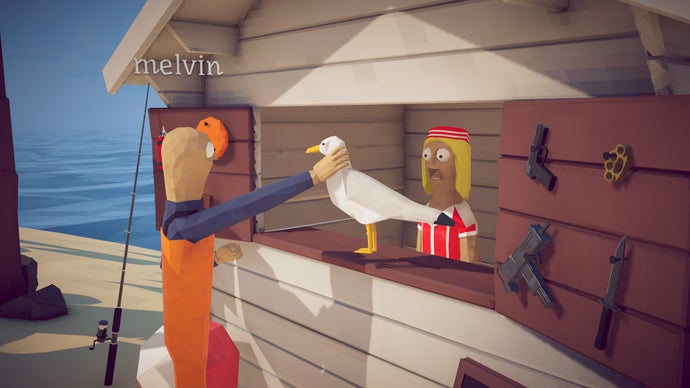
How to Fish has cemented itself as Steam's most delightfully absurd co-op experience, joining the pantheon of games that exist more to confuse than instruct. The title delivers exactly what its name promises, sort of. Players control grotesque worm people who pilot boats to cursed islands, engage in combat with hostile sea creatures, and monetize the chaos through a progression loop built on golden sniper rifles and destructive gadgets.
The game's latest update addresses the chaos inherent to unmoderated multiplayer spaces. Private lobbies now allow players to control their fishing expeditions without interference from randoms. Eight-player support expands the scope from smaller crews, while anti-griefer measures protect against the trolls who inevitably flood multiplayer games. These additions transform How to Fish from a novelty diversion into something with actual staying power for organized groups.
The cabinet of co-op games occupying this exact space has grown crowded. Titles like Dave the Diver, Unpacking, and a dozen other "hangout games" have discovered that players crave low-stakes, absurdist experiences designed for hanging out rather than high-pressure competition. How to Fish leans hard into the grotesque aesthetic and combat-driven progression that distinguishes it from purely relaxation-focused peers. The worm-people design alone signals that sincerity takes a back seat to weirdness.
The genre's market momentum reflects a genuine shift in how players spend their gaming time. Post-pandemic fatigue with competitive shooters and ranked ladders created demand for experiences that reward presence over performance. How to Fish's updates acknowledge this trend while protecting the social experience from degradation. Private lobbies eliminate the need to hope strangers share your tolerance for bizarre humor. Anti-griefer systems ensure eight-player sessions don't collapse into anarchic trolling.
Steam's algorithm has proven remarkably receptive to these games. The platform's discovery queue and "co-op adventure" categorization help niche titles find their audience faster than traditional publisher marketing could manage. How to Fish benefits from that ecosystem while competing against established names with media attention and influencer coverage. The game's updates suggest developer confidence in its player retention and monetization model.
The sniper rifle and upgrade economy creates legitimate progression hooks beneath the madness. Players earn currency by defeating sea creatures, then invest in equipment that changes how future expeditions play out. This loop, common to roguelikes and horde shooters, provides structure that pure hangout games often lack. How to Fish occupies the sweet spot between aimless socializing and competitive grind.
The title's cursed atmosphere and antagonistic creature design distinguish it from competitors pursuing cozy aesthetics. Games like Spiritfarer or Unpacking emphasize warmth and melancholy. How to Fish embraces grotesquerie, treating fishing as a pretext for absurdist violence. That tonal difference carves out its own niche within the broader hangout-game movement.
These updates position How to Fish for longer-tail success. Players who dismissed it as a passing meme now have infrastructure to form persistent groups. The anti-griefer measures reduce friction that could drive people away after negative multiplayer encounters. Eight-player capacity creates larger social opportunities than smaller crews. Steam's co-op game space continues expanding, and How to Fish has equipped itself for that growth.