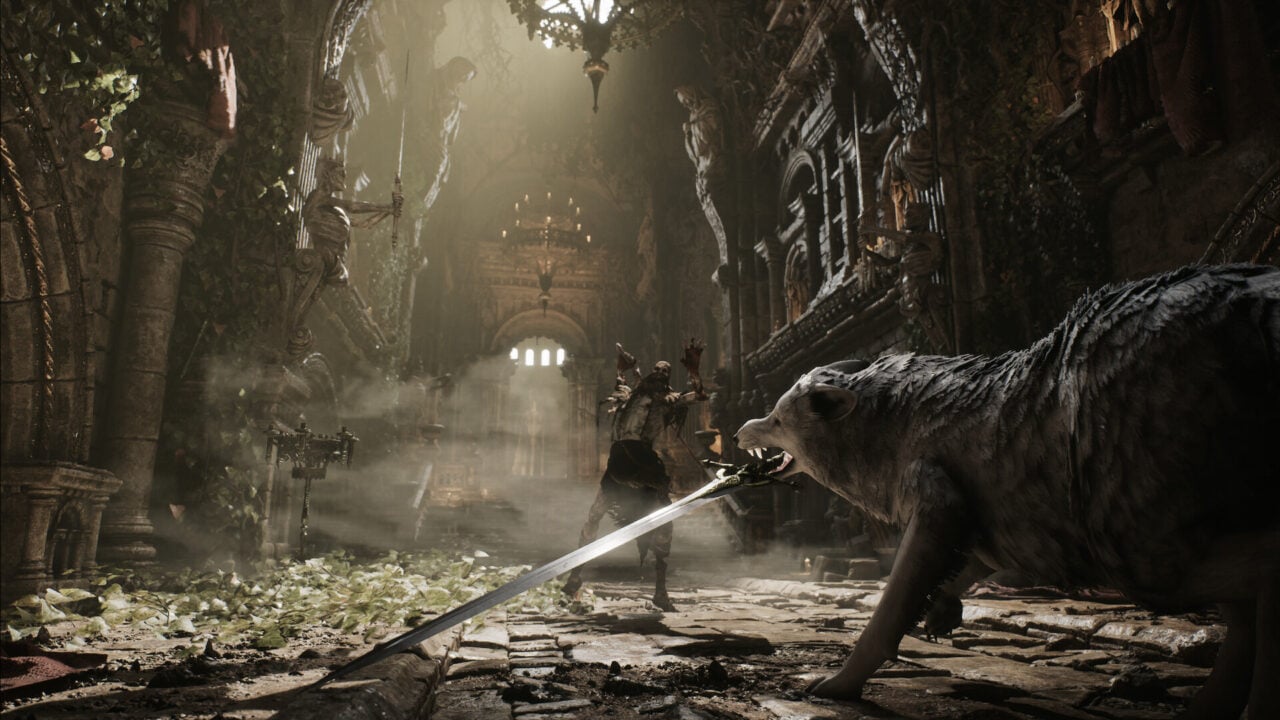
# In This Soulslike, The Dog Will Pet You Back With A Sword
A new soulslike indie title flips the script on player agency and moral choice by casting you as a canine protagonist who abandons goodwill entirely. Instead of the typical heroic narrative arc, this game lets you embrace chaos and violence without redemption.
The premise sounds absurd on paper, but it speaks to a growing trend in indie soulslike design. Developers continue pushing against the genre's established formula. Where FromSoftware games like Elden Ring and Dark Souls present a world of moral ambiguity, this unnamed title takes a different angle entirely. You play as a dog, and the developers have designed every interaction around aggression rather than cooperation.
The "petting mechanics" mentioned in the title work as a core gameplay hook. NPCs attempt friendly interaction with your character. You respond by attacking them. The game rewards this betrayal. Combat scales upward when you initiate hostility against peaceful targets. Boss encounters against other dogs feature sword-wielding opponents that mirror your own weaponized brutality.
This design philosophy reflects a shift in how indie studios approach soulslike development. Games like Salt and Sanctuary and Blasphemous proved that smaller teams could capture the essence of FromSoftware's combat systems without massive budgets. But mechanically aping Dark Souls grew stale. Developers now experiment with tone, narrative, and player motivation.
The dog protagonist choice matters beyond novelty. Animals in soulslike games typically serve as environmental hazards or summonable allies. Making the player character itself an animal fundamentally changes how combat feels and how story beats land. A dog with a sword operates under different rules than a knight or sorcerer. Jumping attacks feel different. Running patterns shift. The perspective literally changes.
The game's central question, "Don't you just wanna go apeshit?", targets player frustration with restraint narratives. Soulslike games often position you as a flawed protagonist seeking redemption or power. You collect souls, restore kingdoms, or break cycles of destruction. This title removes that framework entirely. Chaos becomes the reward structure.
Whether this design works long-term depends on execution. Novelty carries indie games through early momentum, but engaging combat systems sustain player interest across 20 to 40 hours of gameplay. The developers haven't revealed combat depth yet. Early impressions focus on the tonal shift and the absurdist humor rather than mechanical complexity.
The indie soulslike market continues consolidating around identity-driven design. Salt and Sacrifice succeeded partly because it committed to sprite-based pixel art while maintaining demanding boss encounters. Tunic claimed space by treating environmental storytelling as the core draw. This dog game pursues pure tonal inversion.
Release details and platform information remain sparse. The project originates from indie circles but hasn't secured major publisher backing yet. That lack of institutional pressure might explain the game's willingness to lean into bizarre premise over broad appeal.
The soulslike genre matured enough that audience interest now splits between faithful recreations and experimental reimagining. This dog-with-a-sword title plants itself firmly in the latter camp. Whether that approach builds a dedicated fanbase or remains a footnote in indie history depends entirely on what happens when players get their hands on it.