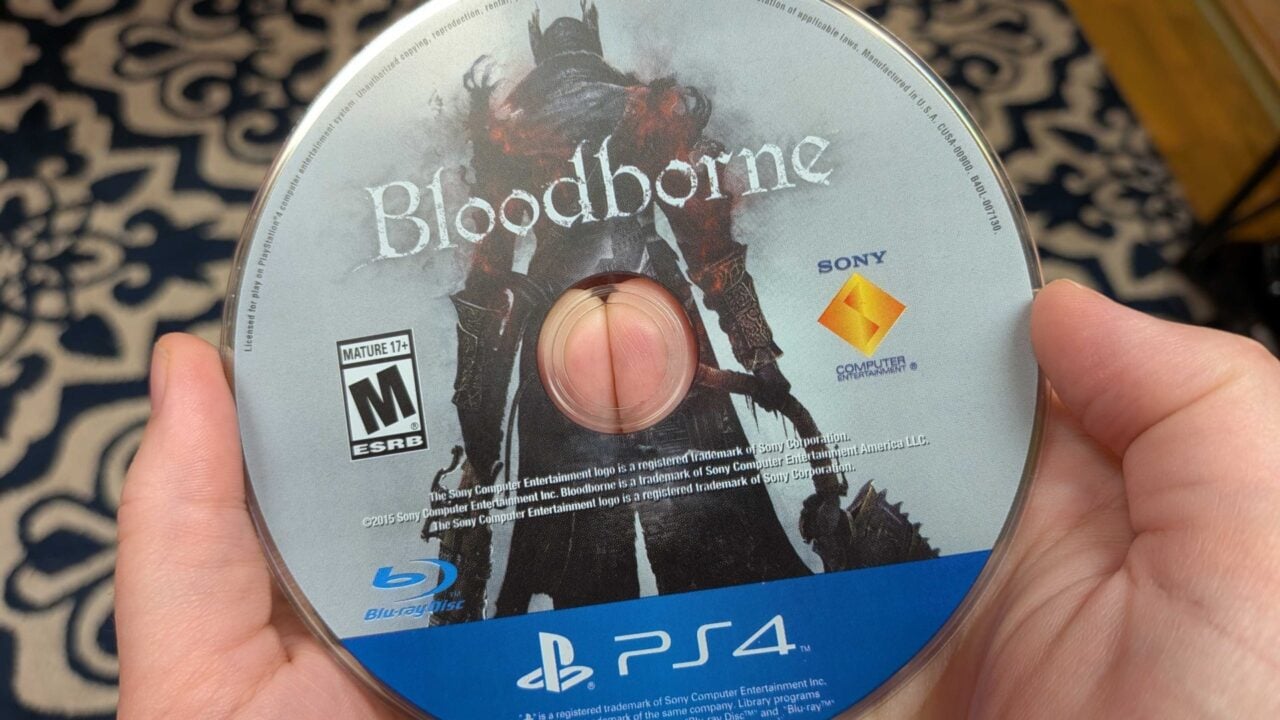
PlayStation's shift toward all-digital distribution marks the end of an era for disc-based gaming. Sony's phasing out of physical media across its console lineup eliminates the distinctive design quirk that defined PS5 hardware for years: the protruding disc drive slot that players mockingly called "disc butts."
The term emerged from the PS5's unusual aesthetics. The console's curved design and prominent disc drive opening created a visual that resembled the lower body anatomy of a character, spawning countless memes across gaming communities. What started as internet humor became a cultural marker of the current console generation.
This transition reflects broader industry momentum toward digital-only gaming. Microsoft already moved aggressively in this direction with Xbox Series S, while Nintendo maintains hybrid flexibility through the Switch's optional dock connectivity. PlayStation Now and subscription services like Game Pass fundamentally changed how players access and own games, making physical copies less central to the ecosystem.
The elimination of disc drives carries real implications. Players lose the option to buy used games, trade titles with friends, or maintain a physical library independent of digital storefronts. Retailers like GameStop face further pressure as new console hardware abandons disc support entirely. Internet connection requirements become non-negotiable for all players, shutting out regions with unreliable connectivity.
Storage economics shift as well. Digital-only players must either expand internal SSD capacity or purchase PlayStation's proprietary storage solutions, adding hundreds of dollars to the total ownership cost. Game sizes continue ballooning without the constraint of disc capacity limiting developers.
Sony's vision prioritizes convenience and ecosystem control. Subscription revenue streams and digital sales offer higher margins than physical distribution. Yet the trade-off removes consumer choice and ownership flexibility that disc-based gaming provided for four decades.
The "disc butt" disappears, but with it goes tangible gaming ownership as an industry standard.