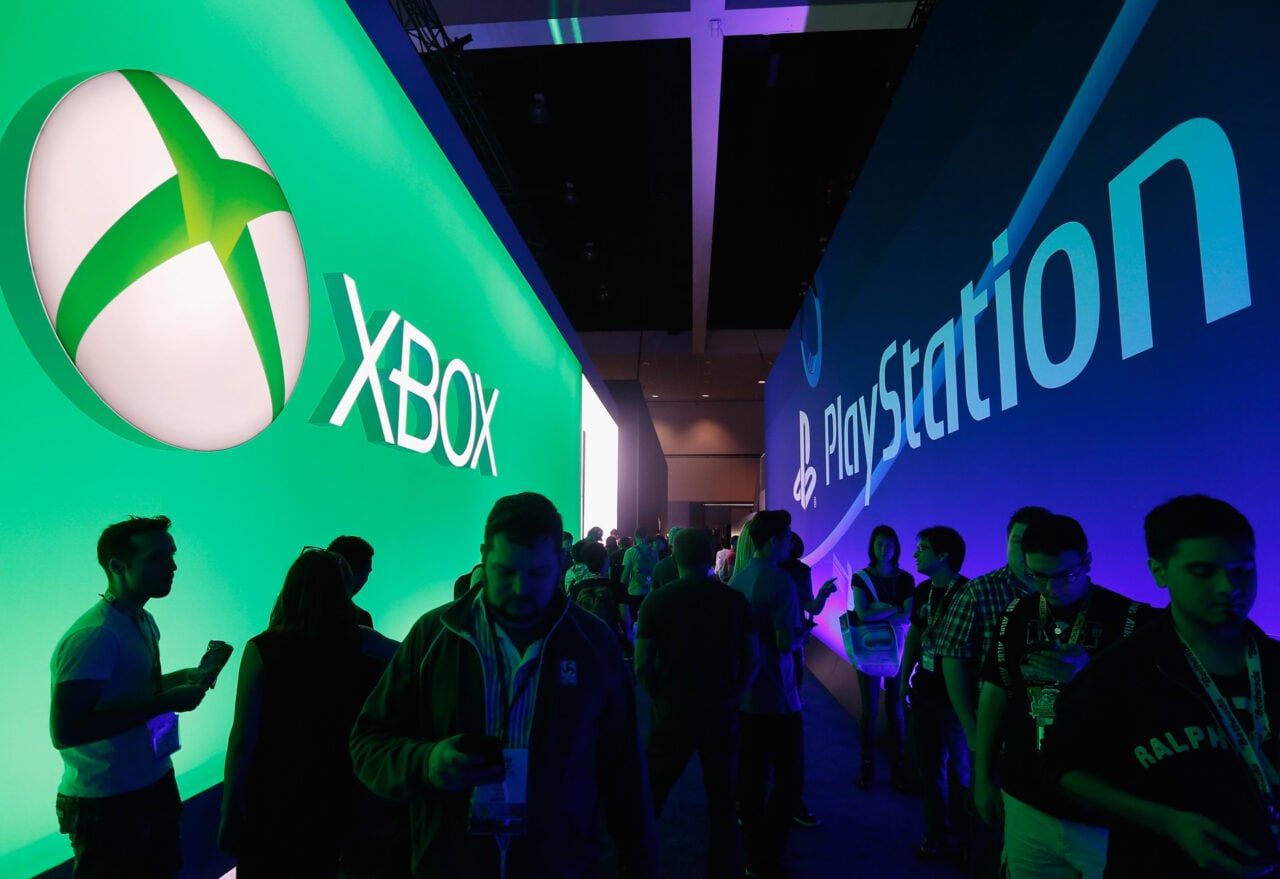
Industry analysts warn that console sales face a catastrophic decline if PlayStation 6 and Xbox Helix launch at $1,000 price points. The forecast projects 39 million fewer units sold across both platforms compared to current-generation expectations.
The prediction reflects growing consumer resistance to premium pricing in a market already battered by economic pressures and shifting player behavior. Current-gen consoles launched between $399 and $499. A $1,000 entry point would represent a 100-percent markup that most players won't accept.
The PS5 and Xbox Series X have struggled to maintain momentum despite strong initial sales. Supply chain issues, game droughts, and competition from PC gaming and subscription services fractured the traditional console audience. A thousand-dollar barrier would accelerate this exodus.
Sony and Microsoft face genuine pressure. Development costs for next-gen games continue climbing. Hardware becomes more expensive to manufacture. Publishers demand higher selling prices just to sustain profit margins. Yet consumers possess finite budgets. A $1,000 console competes directly with high-end gaming PCs, which offer broader software libraries and upgrade paths.
The analysis assumes nothing changes in the current trajectory. Analysts note that aggressive pricing, robust launch lineups, or compelling exclusive titles could offset the damage. Game Pass and PlayStation Plus extra tiers create recurring revenue that doesn't depend entirely on hardware sales at launch.
Sony hasn't announced PS6 pricing or launch window. Microsoft similarly remains silent on Xbox Helix specifics. Both companies monitor competitor moves and market conditions obsessively. Neither wants to repeat the PS3 launch disaster, when Sony's $599 price tag handed the generation to Xbox 360.
The industry cannot ignore this warning. Console gaming already faces existential questions about its relevance to younger players who prefer mobile and streaming. A $1,000 entry fee doesn't solve problems. It guarantees that