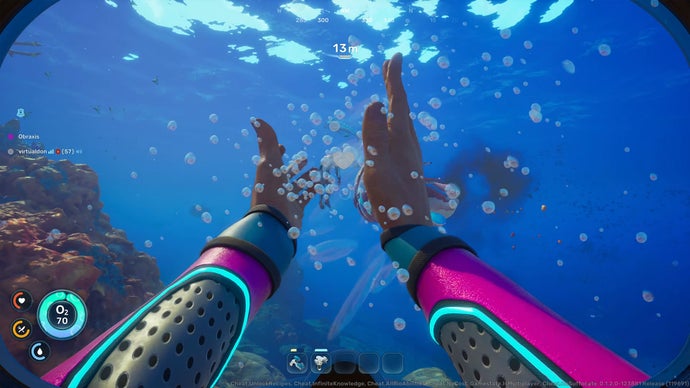
Subnautica 2 rolls out its "Buddy System" update with proximity chat, streamlined trading mechanics, and player emotes. Unknown Worlds Entertainment continues its post-launch support cycle with social features designed to enhance cooperative gameplay.
The update introduces proximity chat, allowing players to communicate based on proximity rather than global channels. Trading between players now runs smoother, reducing friction when swapping resources or equipment. A new emote system lets players express themselves without voice or text, including sarcastic gestures like applause for dramatic moments.
This marks Subnautica 2's second substantial content push since launch. Last month's update targeted creature AI behaviors, reducing frustration when players pursued aggressive hunting strategies. The studio pivots focus this cycle toward multiplayer quality of life, addressing a core pillar of the game's cooperative design.
Subnautica 2 launched in Early Access on PC in December 2024 and has maintained steady player engagement through regular updates. The game emphasizes exploration and survival mechanics in an alien ocean with up to four-player cooperative support. The original Subnautica built its reputation partly on solo exploration, but the sequel makes multiplayer a central feature rather than an afterthought.
The Buddy System update reflects player feedback from early access. Proximity chat creates natural distance-based communication, preventing the wall-of-noise problem that plagues global chat systems. Simplified trading removes inventory juggling that slowed group sessions. Emotes provide non-verbal communication crucial for underwater exploration where voice chat competes with game audio.
Unknown Worlds signals continued commitment to iterative development. Monthly updates indicate the studio prioritizes player experience refinement over rushing new content. Whether these social features retain players through the critical early access period remains to be seen, but the cadence and focus suggest the developer listens to community input.