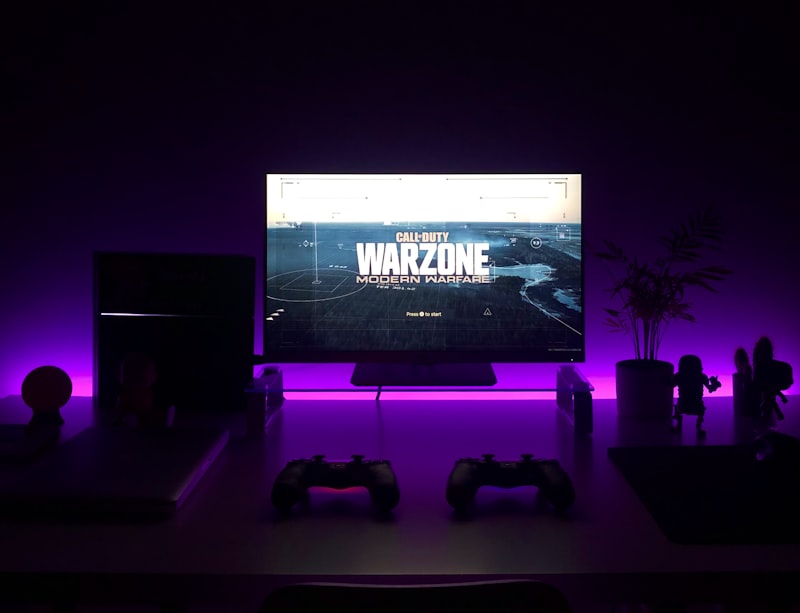
The recent security breach that flooded the internet with unreleased gameplay has sparked the predictable outrage cycle. Hackers bad. Leaks bad. Publishers need better security. But here's the unpopular take that nobody wants to hear: maybe the real problem isn't that these games are being stolen. Maybe it's that we're building a release calendar so crammed and development timelines so compressed that security breaches feel inevitable.
Consider what we learned from the recent leak chatter. A game this massive, this anticipated, this laden with systems and detail that someone decided to steal and distribute. The existence of shareable, meaningful gameplay months before launch suggests one thing clearly: this project is so far along that keeping it secret is practically futile. And yet the industry standard is to maintain radio silence while building hype through teasers and countdown timers.
This is the trap. Publishers squeeze development teams to hit quarterly targets. They build marketing campaigns around strict embargo dates. They demand that footage stay locked in vaults until the exact moment leadership decides the world gets to see it. They create scarcity around information about products that millions of people have already decided to buy.
And then someone, somewhere, inevitably leaks it.
The smarter move? The one nobody wants to discuss because it feels commercially reckless? Controlled, strategic transparency throughout development.
I'm not suggesting publishers livestream every dev meeting or post unfinished assets to social media. I'm suggesting that the gaming industry's obsession with the big reveal, the dramatic announcement, the embargo-breaking exclusive has become a vulnerability masquerading as a marketing strategy.
Think about how differently recent leaks might land if players already understood what they were looking at. If developers had already shown the game's map progression over several months. If gameplay systems had been discussed openly in developer diaries. If the release felt less like a vault door opening and more like the natural continuation of a conversation already happening.
Instead, we've built a system where unreleased content is currency. Where a leaked screenshot becomes a news story. Where the anticipation is so manufactured and tightly controlled that the moment something breaks free from that control, it becomes this massive event that spawns think pieces and security investigations.
Publishers will argue this approach is necessary. Surprises drive sales. Embargo dates create concentrated media moments. Controlled reveals protect intellectual property and marketing strategy. They're not wrong about any of that.
But they're also not accounting for the cost of that control. The security resources required. The legal battles over takedowns. The player frustration when information inevitably leaks anyway. The reputational damage when the public learns that developers got crunch extended specifically to hit a pre-set announcement date.
The gaming industry has momentum on its side. People are going to buy these games. The audience is there. The anticipation exists. So why not experiment with a release strategy that doesn't require maintaining a perfect information barrier that grows more brittle every year?
Restraint here doesn't mean transparency about everything. It means being willing to look less polished, less perfectly timed, less optimized for maximum surprise. It means accepting that players will know what's coming before launch day, and building your strategy around that reality instead of fighting against it.
The industry moves faster every year. Development cycles compress. Expectations escalate. And somehow, security breaches feel increasingly inevitable. Maybe that's not a technical problem that needs a technical solution.
Maybe it's a strategy problem that needs a strategic rethink.