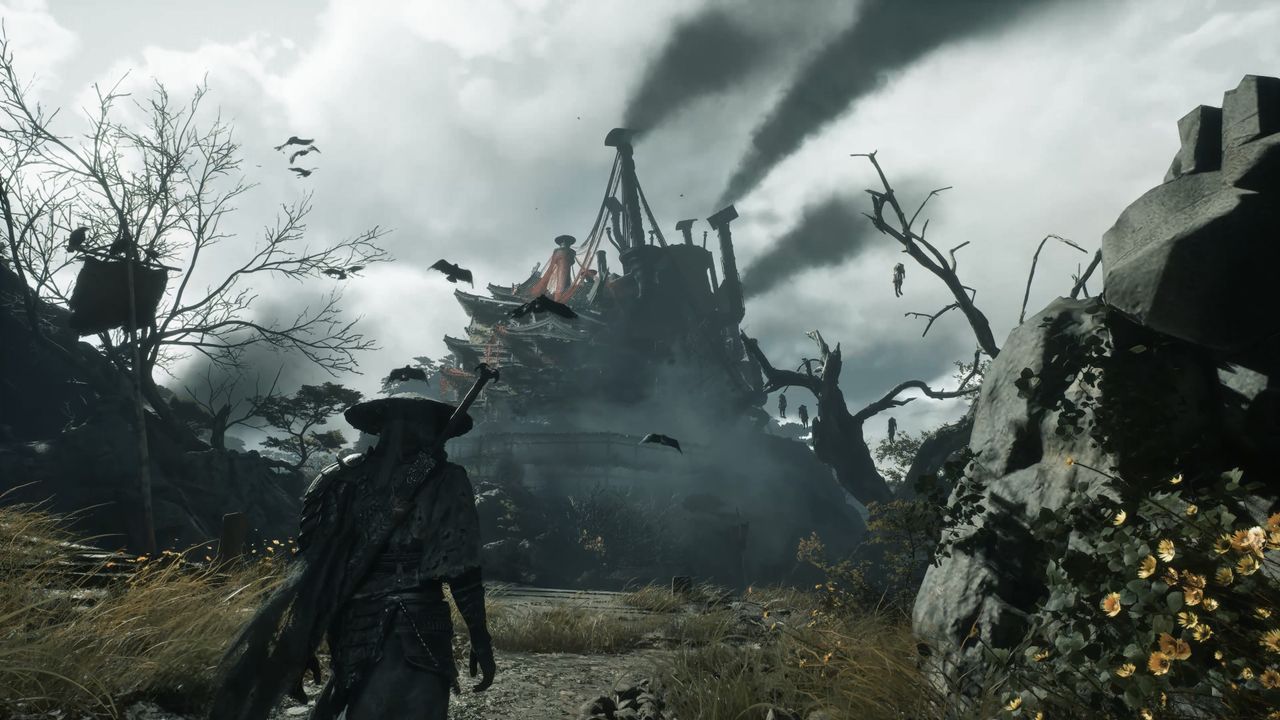
Phantom Blade Zero pulled back the curtain on its world design philosophy, revealing an interconnected map structure that sits between linear and open-world design. The action game from S-Game uses eight hand-painted Chinese ink wash maps that guide exploration without forcing players into a rigid open-world experience.
This approach matters because it defines how players move through the game's world. Rather than sprawling, quest-marker-laden environments or tightly scripted corridors, Phantom Blade Zero opts for curated spaces that players can explore at their own pace. The ink wash aesthetic isn't merely cosmetic. It reinforces the game's martial arts setting and mirrors the visual language of traditional Chinese art, grounding the world in cultural authenticity.
S-Game describes the maps as "authentic," suggesting research went into their design beyond visual style. Players navigate between these distinct areas, discovering secrets and combat encounters as they move through a deliberately crafted environment. This design echoes games like Bloodborne or Dark Souls, where interconnected zones create exploration incentive without hand-holding.
The distinction matters for positioning. Phantom Blade Zero targets players fatigued by massive open worlds like Starfield or Dragon's Dogma 2 but unwilling to accept purely linear experiences. Action game fans increasingly seek worlds with breathing room and environmental storytelling. The interconnected approach delivers both without the bloat.
Phantom Blade Zero hits PC and PlayStation 5 in 2025. The title launched in early access in 2023 and has built momentum through vertical slice releases. S-Game's decision to detail world design now signals confidence in the game's structure and readiness for full launch. The studio understands that how players move through a world shapes their entire experience. Eight meticulously crafted maps built in traditional artistic style represent a clear stance. This isn't a game chasing scale. It's one pursuing