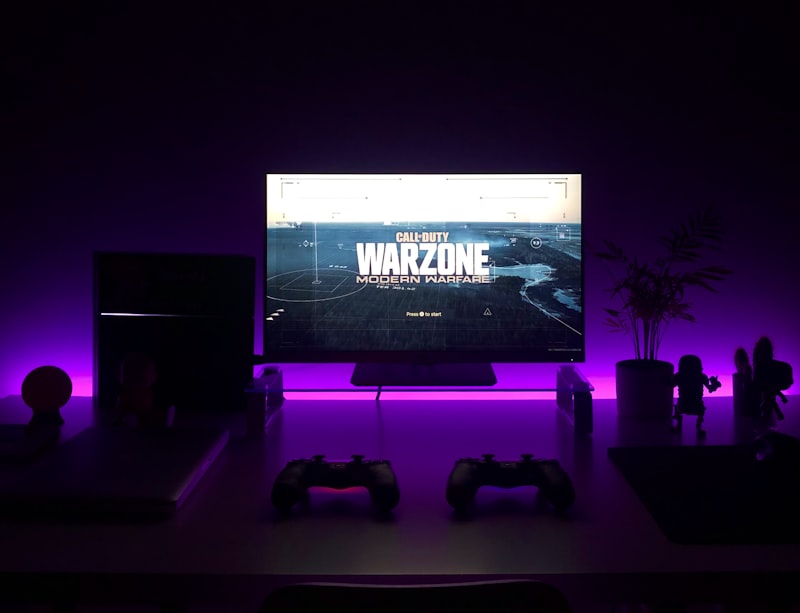
The PC gaming hardware market has become a carnival of unnecessary anxiety. Every quarter brings a new GPU generation, each one marketed as "essential" for playing games that, frankly, looked fine last year. Meanwhile, the industry wants us to believe that not upgrading is somehow a personal failure.
Here's the uncomfortable truth: most PC gamers don't need what's being sold to them.
I'm not saying this to be contrarian. I'm saying it because the math is obvious. A solid mid-range GPU from three years ago still plays modern games at 1440p with reasonable frame rates. A CPU from the same era handles current workloads without bottlenecking. Yet the marketing machinery keeps churning out messaging about "generational leaps" and "must-have performance jumps" that amount to marginal improvements for the vast majority of use cases.
The real winners in this space won't be the companies pushing the latest architecture or the flashiest RGB setup. They'll be the ones who actually simplify the mess and give people clarity about what they actually need.
Think about what happened with mainstream consoles. Yes, they eventually upgraded, but the messaging was simple: play these games, get this experience. No endless spreadsheets of VRAM comparisons. No debates about power delivery and chipset compatibility. Just straightforward value propositions.
PC gaming could learn from that approach, but instead, we get the opposite. Manufacturers layer complexity on top of complexity. RAM speed matters. Thermal paste quality matters. Driver versions matter. SSD read speeds matter. Each of these things does matter, technically, but they've been weaponized as selling points in ways that obscure what actually delivers a better gaming experience for someone with a $1,500 budget.
The industry has created a gatekeeping effect disguised as enthusiasm. New players see the hardware discussion space and get paralyzed. Existing players feel pressure to justify their purchases or face being labeled as running "outdated" gear.
Meanwhile, indie developers and smaller studios continue proving that hardware specifications are not destiny. A game built with solid design and genuine creativity runs well on a wide range of systems. It doesn't need cutting-edge ray tracing to be beautiful. It doesn't need the newest CPU to be engaging. The emphasis on specs over substance has become a distraction.
What would market leadership actually look like here? It would be a manufacturer building a platform and saying: this hardware will give you X performance for Y years, with Z upgrade path that isn't painful. Clear expectations. No hype. No shame ladder.
It would be reviewers asking harder questions about longevity instead of just benchmarking the latest frame rate numbers. It would be retailers stopping the practice of bundling $300 worth of "recommended" upgrades with baseline system builds.
Most radically, it would be the industry accepting that a three-to-five-year ownership cycle is healthy, not a failure state to be reversed through aggressive new-generation marketing.
The PC gaming market is large enough and diverse enough that there's room for enthusiasts who want the absolute latest hardware. That's fine. But that market segment doesn't need the entire industry reorganized around its preferences. The real money and the real growth come from people who want a system that works reliably without requiring an advanced degree in specifications.
Simplification sounds boring compared to promises of revolutionary performance. But boring is what wins long-term customer loyalty. Boring is what stops people from feeling guilty about their purchases. Boring is what actually grows markets instead of just extracting more money from existing customers.
The operator who figures out how to sell that wins.