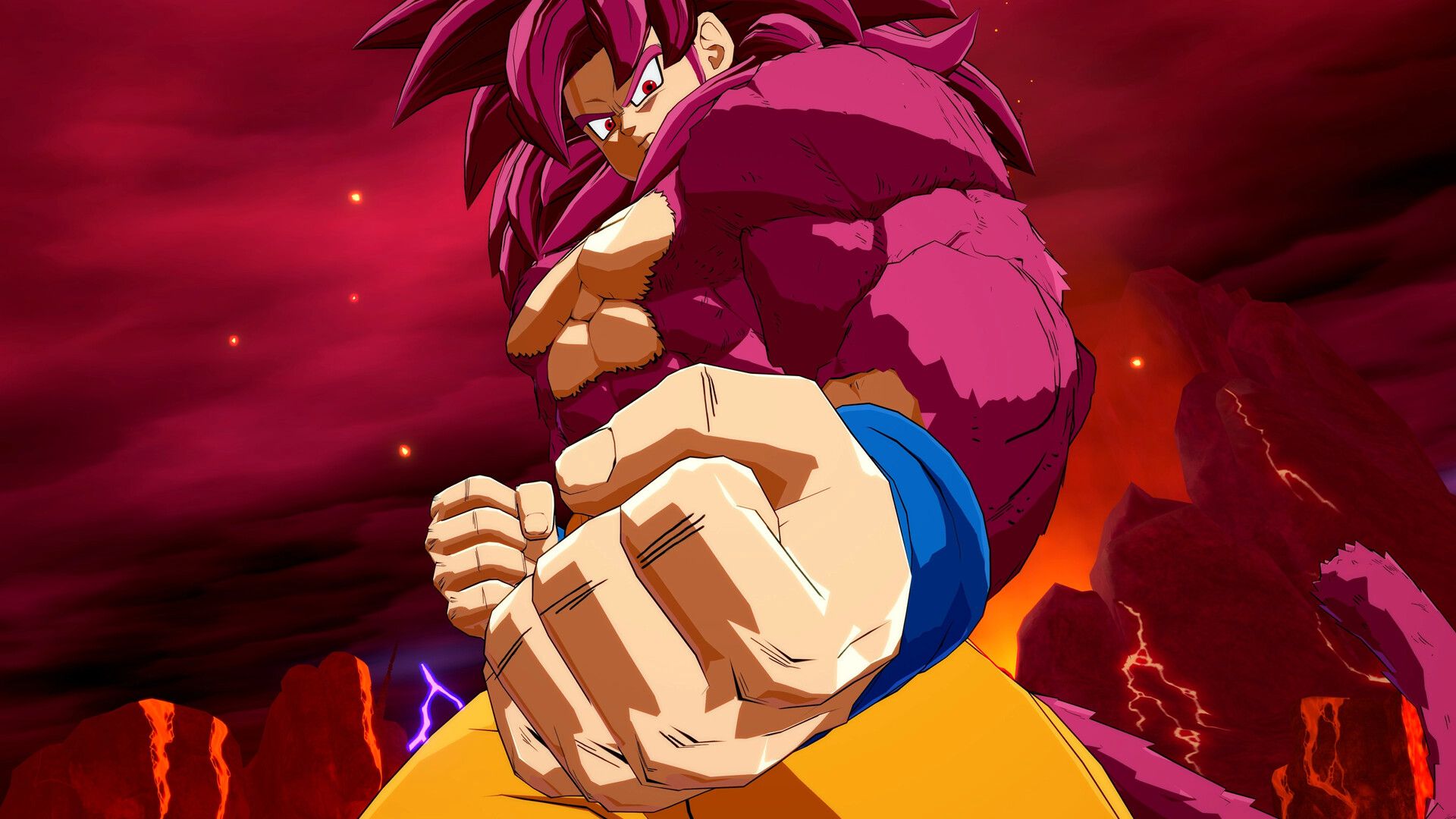
Marvel Token's 4v4 tag-team fighting system represents an evolution in competitive fighting game design, but the eight-year-old Dragon Ball FighterZ remains the genre's gold standard for traditional 3v3 tag combat. Arc System Works built FighterZ on rock-solid fundamentals. The game delivers fluid animation, responsive controls, and a roster that captures each character's personality through their move sets. Players gravitate toward it for ranked matches, tournaments, and casual sessions alike.
Token's newer approach expands the team roster, allowing four fighters per side instead of three. This adds complexity to team composition and rotation mechanics. The larger cast creates fresh strategic depth that appeals to players seeking innovation. However, FighterZ's eight-year longevity speaks volumes about durability. The game maintains an active community across PlayStation, Xbox, and PC. Bandai Namco continues supporting it with seasonal updates and balance patches.
FighterZ's visual presentation still impresses. Animations capture Akira Toriyama's art style with precision. Special attacks feel weighty and satisfying. Characters like Goku, Vegeta, and Jiren animate with the same fluidity as modern releases despite the game's age. The netcode received rollback implementation, securing smooth online play even for distant opponents.
Token introduces mechanics that shift the competitive landscape. The 4v4 system demands different resource management and team synergy calculations. Players must adapt team-building strategies and rotation timing. For veterans of traditional 3v3 fighters, Token presents a learning curve.
The choice between these titles depends on player preference. FighterZ suits those seeking established competitive infrastructure and proven balance. The esports scene for FighterZ remains robust, with regional tournaments continuing across North America, Europe, and Japan. Token targets players wanting evolution and fresh strategic wrinkles.
Both