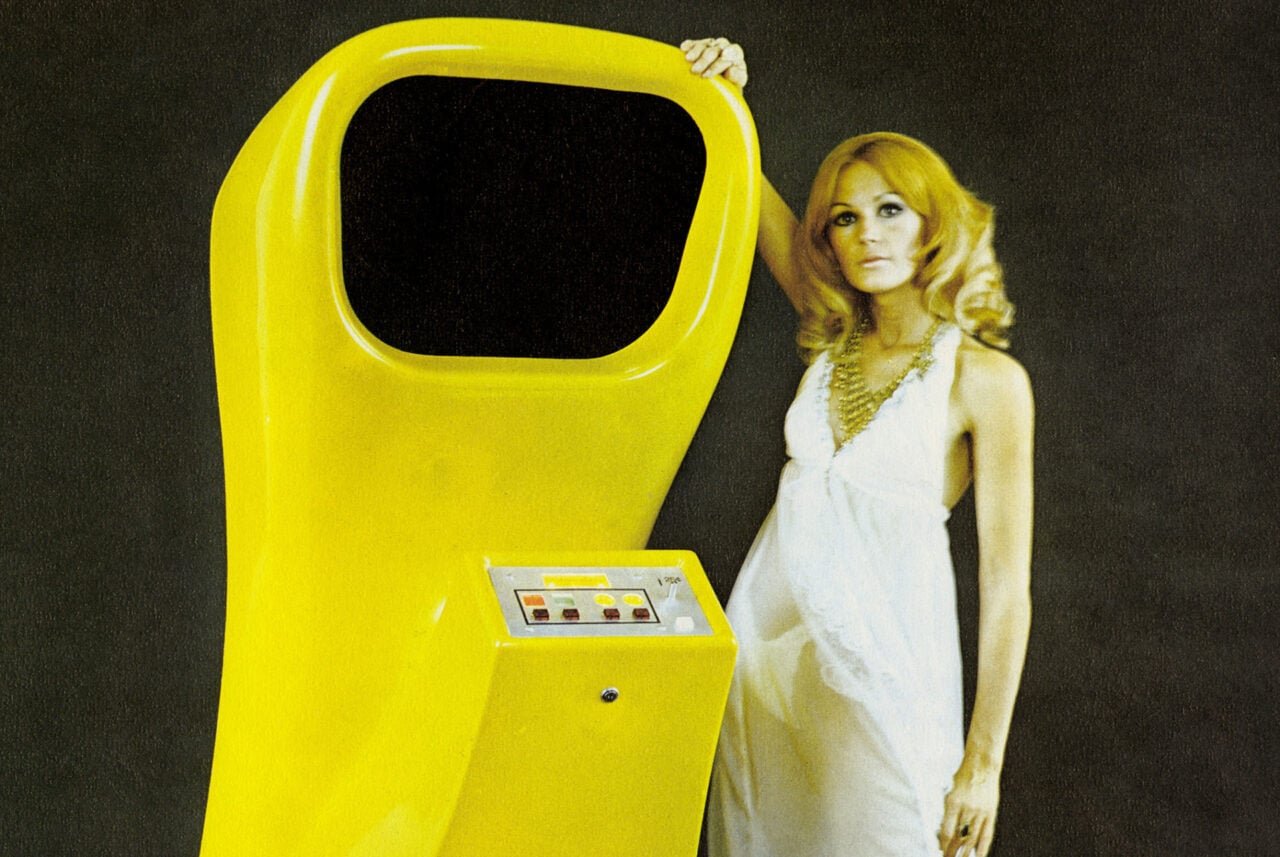
David Perry, the founder of defunct developer Shiny Entertainment, is auctioning off a rare two-player arcade cabinet of Computer Space, one of gaming's most historically significant machines. This particular unit holds particular weight in arcade history. Computer Space debuted in 1971 as the first commercially distributed arcade game, predating Pong by over a year and launching the entire arcade industry as we know it.
Perry acquired this two-player variant during his career in game development. Shiny Entertainment, the studio he founded, became known for action titles like Earthworm Jim and the Sacrifice games before shutting down in the early 2000s. The studio's closure marked the end of an era for a developer that had pushed creative boundaries in the '90s and early 2000s.
Computer Space itself represents a pivotal moment in gaming. The game, created by Nolan Bushnell and Ted Dabney before they founded Atari, was a space combat simulator controlled via two joysticks. Its cabinet design by Gee Arcade was distinctive for its futuristic fiberglass housing that resembled a flying saucer. Though it sold only around 1,500 units initially, Computer Space proved the commercial viability of arcade games and paved the way for the industry explosion that followed with Pong and beyond.
Two-player versions of Computer Space are exceptionally rare. Most surviving cabinets are single-player configurations. The existence of this dual-player cabinet makes Perry's unit a collector's item of considerable historical value. Original Computer Space cabinets in working condition regularly command five-figure sums at auction, with pristine examples occasionally reaching six figures depending on condition and rarity.
The auction arrives at a time when classic arcade collecting has surged among both enthusiasts and investors. Restoration communities have grown around preserving these machines, and auction houses specializing in gaming memorabilia now regularly handle arcade cabinet sales. Notable collections have sold for substantial amounts in recent years as the market recognizes these machines as functional art and historical artifacts rather than mere novelties.
Perry's decision to put the cabinet on the market likely reflects broader trends in gaming nostalgia and collectible values. Original arcade hardware from the 1970s has become increasingly valuable as the community ages and well-heeled collectors seek authentic pieces of gaming history. Museums and private collectors compete for working examples of systems that defined early gaming culture.
The sale underscores how gaming's earliest commercial products now occupy the same cultural space as fine art and historical artifacts. Computer Space deserves recognition as the gateway that transformed gaming from basement hobbyists' experiments into a multi-billion dollar industry. Perry's willingness to release this piece suggests confidence in the market's appetite for authenticated early arcade hardware and an understanding that future generations will prize these machines as window into gaming's foundational moment.