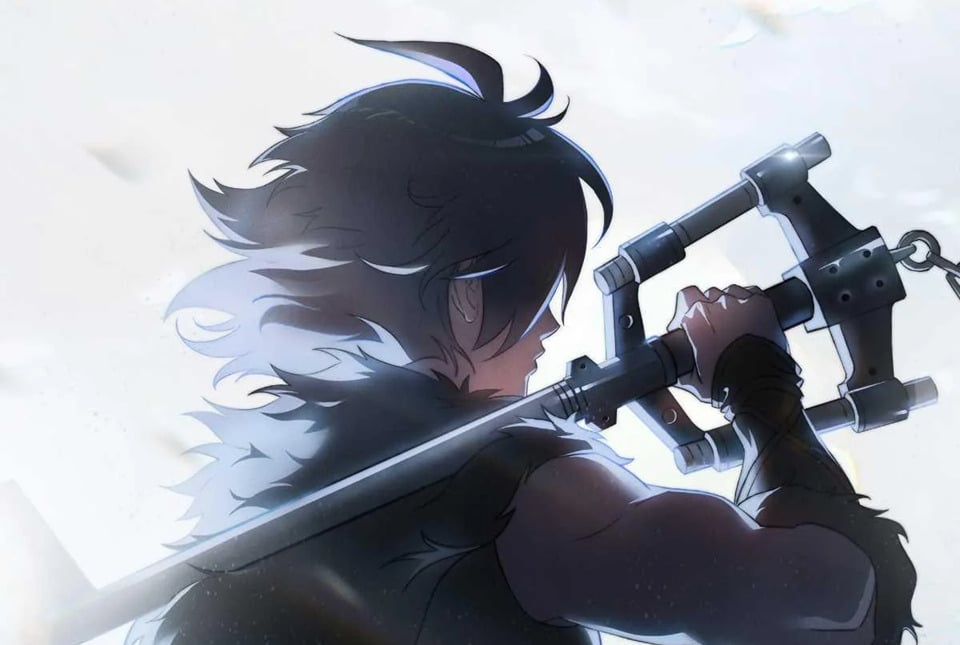
Tetsuya Nomura, director and character designer at Square Enix, opened the door for creative speculation when discussing the upcoming Kingdom Hearts animated series. His invitation for fans to "let your imaginations run wild" sparked immediate curiosity about what properties and storylines could enter the franchise's ever-expanding universe.
The Kingdom Hearts series has built its identity on unexpected collaborations. Disney properties form the foundation, but the franchise has consistently found ways to weave together Final Fantasy characters, original creations, and complex narratives spanning multiple platforms and media types. An animated adaptation presents fresh opportunities to explore this crossover potential in ways the games have not yet attempted.
The question of Miramax involvement carries weight. Disney acquired Miramax in 1993, then sold it to Filmyard Holdings in 2016, but Disney retains some distribution rights to the studio's catalog. Properties like Kill Bill, Scary Movie, and Chicago exist in complicated licensing territory. For a franchise aimed at both children and long-time fans, Miramax's catalog presents both narrative goldmines and tonal complications. Pulp Fiction in Kingdom Hearts remains unlikely, but films like Scary Movie could theoretically work within the Heartless mythology.
Hollywood Pictures, another Disney subsidiary, produced films from 1989 to 2007. Properties like Cool Runnings, Blank Check, and Alive sit in Disney's vault. Some of these have younger audience appeal and established fan bases that could translate to Kingdom Hearts audiences.
The reference to Encino Man, the 1992 Pauly Shore vehicle distributed by Hollywood Pictures, became a humorous shorthand for the absurdity of unlimited crossover potential. Yet Kingdom Hearts has proven that seemingly incompatible properties can coexist. Aladdin and The Little Mermaid share screen time with Cloud Strife and Riku. Toy Story and Pirates of the Caribbean exist in the same narrative space.
An animated series changes the production calculus compared to games. Animation allows for cheaper licensing negotiations than live-action adaptations. Voice acting replaces the need for major star power tied to theatrical releases. Streaming platforms like Disney Plus could support experiments that theatrical releases would never greenlight.
Nomura's comment likely reflects strategic intentionality rather than wild speculation. Square Enix and Disney have mapped out Kingdom Hearts' direction carefully through multiple console generations. An animated series represents a deliberate expansion into television animation, following trends of game-to-screen adaptations gaining momentum across the industry.
What properties actually appear depends on licensing complexity, narrative fit, and what Square Enix can negotiate with Disney's various divisions. The studio faces real constraints despite owning massive IP portfolios. Not every property makes sense thematically or practically.
The animated series represents Kingdom Hearts' continued evolution. The franchise transformed from simple Disney crossovers into sprawling narratives involving time travel, alternate timelines, and philosophical complexity. Television animation adds another layer, potentially reaching audiences who skipped the handheld games or found the plot threads impenetrable.
Nomura's invitation for imagination suggests the creative team wants fan input to influence the series' direction. Whether that means actual Miramax content or simply acknowledging the expanded universe remains unclear. The animated series launches into uncharted territory for Kingdom Hearts, where established rules bend more easily than game mechanics allow.