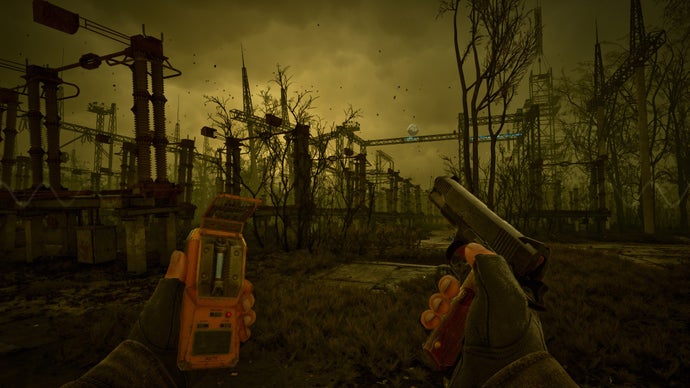
GSC Game World rolls out the substantial 2.0 update for Stalker 2: Heart of Chornobyl next week, delivering visual overhauls, A-Life system refinements, and functional fog that reshape how the open-world shooter plays.
The update prioritizes lighting across the board. Indoor environments receive realistic illumination adjustments, while outdoor landscapes and foliage rendering get overhauled for natural appearance. GSC fixed hundreds of objects that floated unnaturally in the world, a persistent visual bug players reported since launch. These changes affect immersion directly, especially in a game where atmosphere drives engagement as much as combat.
Functional fog arrives as a gameplay mechanic, not just window dressing. Stalker 2 now implements fog that impacts visibility, movement, and combat strategy. Players navigating the Zone must adapt tactics when fog rolls in. This adds environmental variety to traversal and encounters, transforming weather from cosmetic effect into tactical consideration.
The A-Life system, GSC's adaptive AI ecosystem that powers NPC behavior and world simulation, receives a comprehensive overhaul. A-Life governs how stalkers, military units, and creatures interact across the map independently of player input. Updates here mean better NPC pathfinding, more realistic faction dynamics, and improved creature behavior. The Zone feels less scripted, more genuinely alive.
Stalker 2 launched in November 2024 to mixed reception. Critics praised the open-world design, gunplay variety, and atmosphere but flagged technical issues, performance inconsistencies, and A-Life limitations that undermined the sandbox experience. The game shipped on PC via Steam and Xbox Series X/S, with optimization struggles on both platforms. Ray tracing performance particularly suffered on high-end hardware.
The 2.0 update directly addresses launch criticism. Better A-Life means the world reacts and evolves credibly without player intervention. Lighting fixes eliminate immersion breaks. Functional fog expands environmental complexity beyond what players experienced at launch. These aren't cosmetic tweaks; they reshape core systems.
GSC developed Stalker 2 through extraordinary circumstances. The team operated from Poland, Eastern Europe, and remote locations while the war in Ukraine raged, disrupting production, staffing, and infrastructure. That the game shipped at all stands as a logistical achievement. Continued support signals the studio's commitment despite ongoing hardship.
The update matters for Stalker 2's trajectory. Player retention depends on meaningful improvements, not just bug fixes. The A-Life enhancements address what made the original Stalker and Clear Sky memorable: a world that breathed without the player. If GSC executes the 2.0 overhaul successfully, Stalker 2 shifts from flawed ambition to the sandbox epic players wanted.
Performance remains an open question. No patch note mentions optimization improvements. If 2.0 adds system demands without boosting frame rates, PC players on mid-range hardware may struggle further. Ray tracing performance needs attention; currently, activating it tanks frame rates on RTX 40-series cards.
GSC commits to post-launch support through multiple updates planned for 2025. The 2.0 patch represents the first major milestone. Success here builds confidence that Stalker 2 will evolve into the experience the concept deserves.