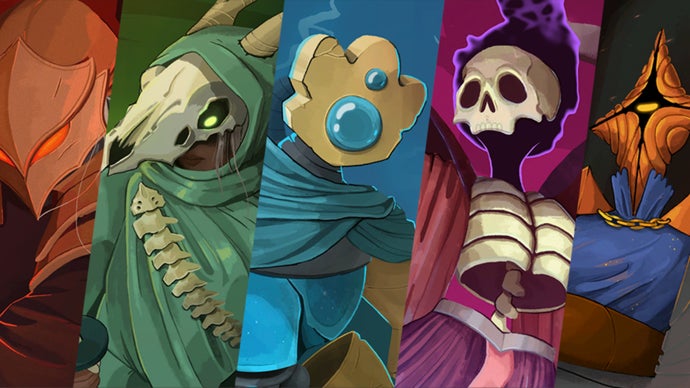
Slay the Spire 2 developer Mega Crit announced another slowdown in update cadence, shifting from biweekly patches to an unspecified reduced schedule. The studio frames the slower pace as a strategic shift toward building larger content drops rather than incremental tweaks.
According to the August Newsletter, the team plans to focus on substantial additions. A new alternate Act 2 is in development, designed to provide fresh route variety for veteran players grinding through multiple runs. The studio also teases additional game modes beyond the core run structure, though specifics remain under wraps. Most intriguingly, a new character with a bandaged foot appears on the roadmap, suggesting a fresh playable class to complement the existing roster.
This marks the second deceleration since Slay the Spire 2 entered early access in March. The game originally shipped with weekly updates, but Mega Crit downshifted to biweekly cadence in May as development demands increased. The studio maintains this latest slowdown is not permanent, indicating they may return to faster iteration once current systems stabilize.
The early access period has proven robust. Slay the Spire 2 built on the 2017 original's roguelike deckbuilding foundation, and player reception remains strong despite the reduced update frequency. The community understands that bigger feature drops often require more engineering work than weekly balance patches.
Mega Crit's pivot away from rapid-fire updates reflects industry maturity. Early access titles often fall into the trap of constant cosmetic tweaks that signal activity without delivering substance. By batching features and modes, the studio delivers meaningful progression toward 1.0 launch while managing team burnout. The alternate Act 2 addresses a core complaint from longtime roguelike players: run sameness after dozens of hours. New environmental challenges and boss encounters keep late-game content fresh.
The bandaged character remains mysterious. Past additions to the Slay the Spire franchise introduced wildly different playstyles. The original game shipped with the Ironclad, Silent, Defect, and Watcher. Each class fundamentally altered how players approached deck construction and combat. A fifth character, particularly one with physical disability representation through the bandaged foot detail, suggests Mega Crit remains committed to expanding character diversity beyond mechanical gimmicks.
The timeline for these additions remains vague. Mega Crit historically avoids committing to specific release windows during early access, preferring to communicate completion rather than deadlines. Players can expect the alternate Act 2 and new modes to roll out over the coming months, likely in larger patches rather than weekly increments.
For the broader deck-building roguelike space, Slay the Spire 2's sustained early access momentum matters. Wildfrost, Monster Train, and other genre competitors have gained ground since the original's launch. Mega Crit's deliberate approach to early access signals confidence in long-term player retention over short-term momentum metrics.