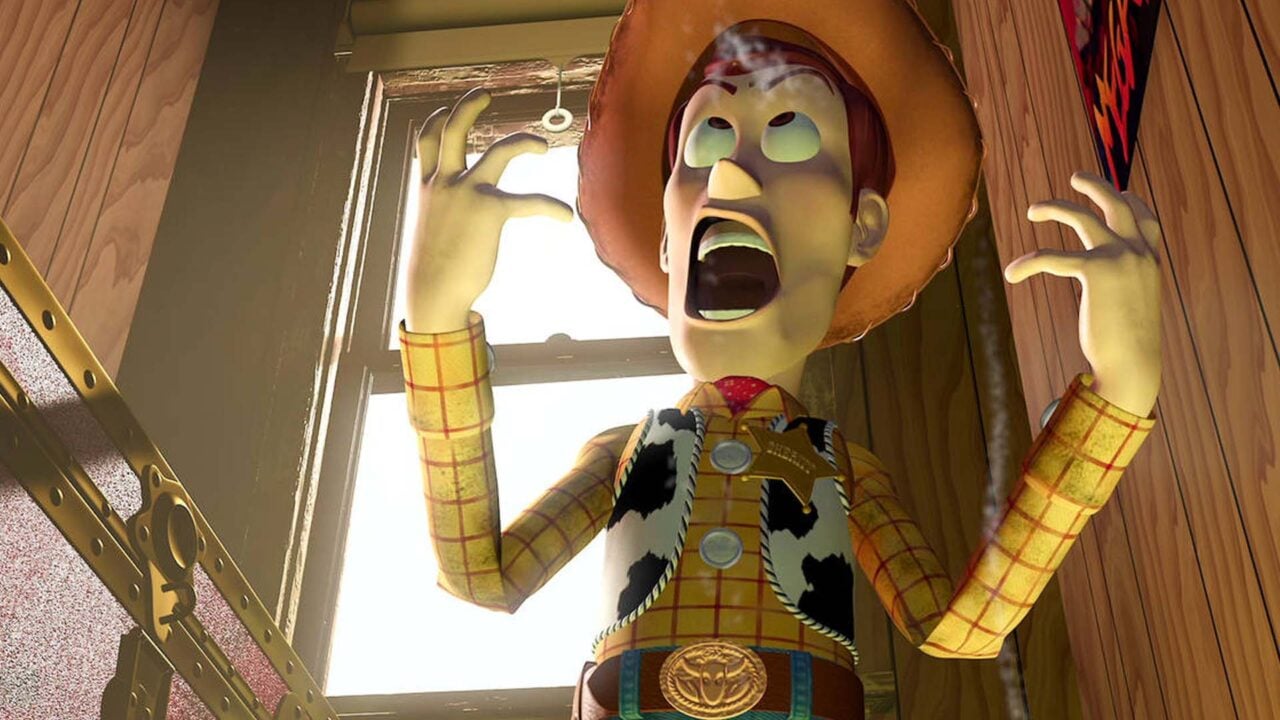
Toy Story 3 is disappearing from Xbox storefronts. The original 2010 game, developed by Avalanche Software and published by Disney Interactive, will be delisted to clear the way for an incoming remaster. This move follows a broader pattern in the games industry where publishers remove older versions of titles to push players toward updated releases.
The delisting affects digital copies across Xbox platforms. Owners who already purchased the game retain access, but new buyers cannot acquire it through standard retail channels. Disney has not announced a specific delisting date, though these removals typically occur weeks before a replacement release launches.
Avalanche Software's Toy Story 3 arrived during a golden era for movie tie-in games. Unlike many licensed properties that shipped broken or incomplete, Toy Story 3 earned strong reviews for its platforming design and faithful adaptation of Pixar's film. Critics praised its level design and the chemistry between playable characters. The game became a benchmark for how movie games should work, outperforming many peers that launched alongside theatrical releases.
The remaster represents Disney's bet that modern audiences want access to this specific property with updated visuals and technical polish. Current generation consoles offer opportunities to enhance graphics, improve frame rates, and add quality-of-life features that didn't exist in 2010. The remaster likely targets players who missed the original and parents seeking family-friendly content for newer hardware.
This delisting strategy reflects industry economics. When a publisher controls the licensing rights to a property, they can create artificial scarcity around older versions. Digital games exist in perpetual limbo. Licensing agreements expire, contracts with developers lapse, and publishers restructure their catalogs. Unlike physical cartridges or discs, digital games depend entirely on publisher infrastructure to remain available. Players cannot preserve older versions the way retro collectors maintain vintage hardware.
The Toy Story franchise has cycled through numerous games across multiple decades. Not all remain accessible. Some tie-ins vanished when licensing terms ended or when platforms shut down their storefronts. This remaster attempt suggests Disney believes there is still market appetite for Toy Story gaming content, even as the franchise has aged since Toy Story 4 and the recent Toy Story 5 announcement.
Preorders or early access details for the remaster have not yet surfaced. Publishers typically announce these details simultaneously with legacy delisting news to ensure player transition pathways remain clear. The timing of removal versus new release launch proves critical to avoid losing potential customers in the gap period.
For preservation-minded gamers, this delisting underscores the fragility of digital ownership. Games removed from digital storefronts become inaccessible to anyone who did not purchase them beforehand. This reality has sparked ongoing debates about whether players should ever truly own digital products or merely lease access to them.