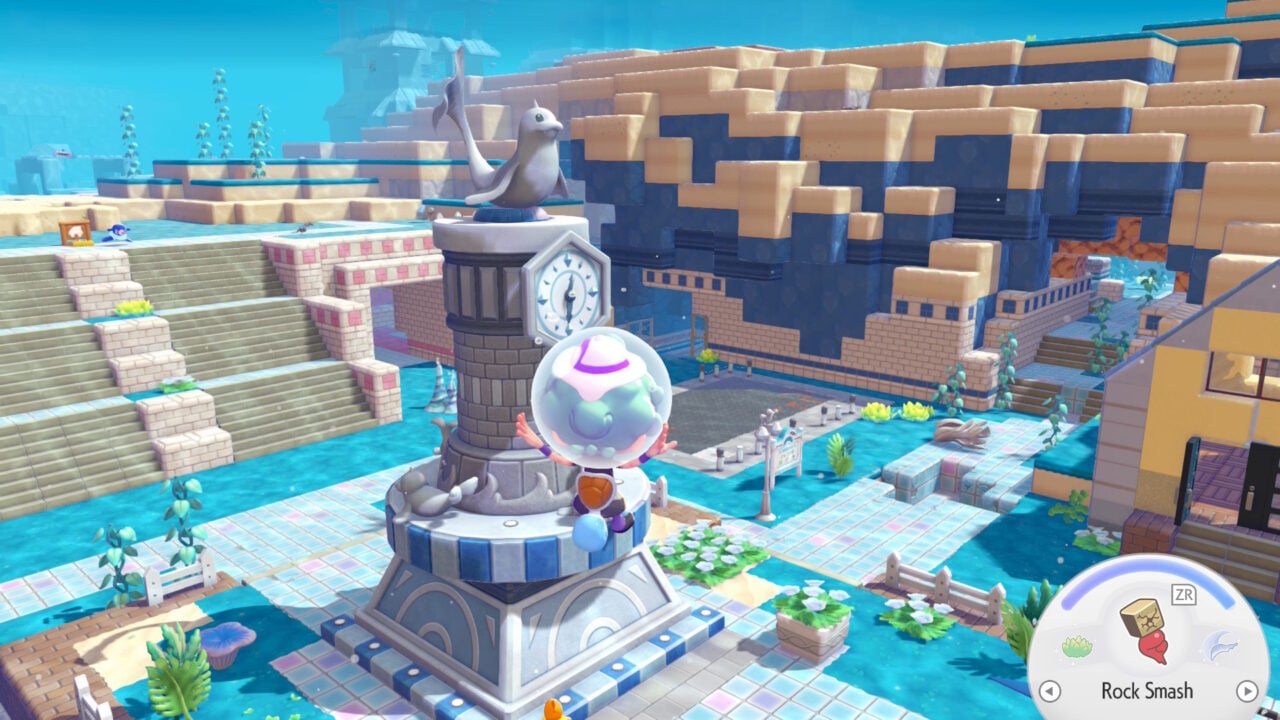
# Pokopia's New DLC Explores Grief and Homecoming in Surprisingly Somber Territory
Pokopia's latest DLC expansion marks a tonal shift for the franchise, trading its typical whimsy for introspection and melancholy. The new content centers on themes of loss, displacement, and the bittersweet nature of returning home, delivering what studio developers describe as their most emotionally heavy work to date.
The expansion follows a protagonist grappling with the inability to return to their hometown. The narrative framing, evident in the DLC's thematic tagline "Back to my home, I dare not go," suggests a story rooted in nostalgia twisted with dread. Rather than the adventure-focused gameplay loops Pokopia fans expect, this DLC prioritizes character development and environmental storytelling over combat encounters or collection mechanics.
This represents meaningful creative evolution for the Pokopia brand. The franchise built its reputation on lighthearted exploration and creature collection, targeting audiences seeking comfort and escapism. Players discovered a world designed for wonder and discovery. The new DLC shatters that formula intentionally. Developers acknowledge the shift serves a specific narrative purpose: examining how childhood innocence collapses under the weight of adult responsibility and trauma.
The DLC's structure emphasizes player choice in ways previous Pokopia content avoided. Dialogue trees expand significantly. Environmental interactions carry emotional weight beyond mechanical function. Side characters receive genuine depth rather than serving as quest-givers or shop operators. This investment in storytelling suggests the developers studied narrative-heavy indie titles and incorporated those lessons into their existing framework.
Early player reception splits predictably. Long-time Pokopia enthusiasts who valued the series' escapist charm express frustration with the heavier tone. They came for relaxation and encounter something closer to art-game introspection. Conversely, players seeking narrative depth in gaming appreciate Pokopia's willingness to take creative risks. The DLC demonstrates that established franchises need not remain locked into their original design philosophy.
The commercial timing matters here. The gaming industry increasingly values emotional maturity in storytelling. Games like Spiritfarer and Gris proved audiences embrace melancholy within beloved formats. Pokopia's new DLC tests whether that audience extends to established franchises with younger target demographics. Publishers watching sales figures will draw conclusions about whether mainline franchises can incorporate darker themes without alienating core audiences.
This DLC also signals developer confidence. Studios rarely pivot tonal registers this dramatically without internal conviction that the story justifies the risk. Pokopia's developers clearly believe this narrative deserves telling through their specific lens and mechanics, even if it means disappointing segments of their player base.
The expansion raises questions about franchise identity moving forward. Does Pokopia continue this trajectory in future releases? Does the next mainline entry incorporate these narrative sensibilities? Or was this DLC a contained artistic experiment, a one-time detour before returning to proven formulas?
The answer will define whether Pokopia matures with its aging audience or remains locked into comfortable patterns. Either choice carries commercial and creative consequences worth monitoring closely.