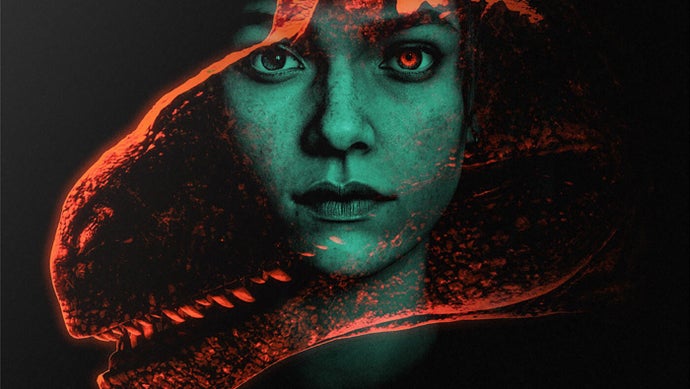
Gary Napper, lead designer behind Alien: Isolation's creature AI, has joined Great Ape Games to shape dinosaur behavior in the upcoming survival game The Lost Wild. The first-person sneaker tasks players with surviving an island populated by multiple dinosaur species, each engineered with distinct behavioral patterns that directly impact how players must approach encounters.
Napper's appointment signals Great Ape Games' commitment to building sophisticated creature systems. At Supermassive Games, Napper helped craft the Xenomorph's unpredictable hunting patterns in Alien: Isolation, a design philosophy now translating into dinosaur encounters. The Lost Wild features species ranging from the passive diplodocus to the hyperaggressive allosaurus, with each requiring different survival strategies.
"The difference between dinosaur behaviour for each species, and what that could mean for gameplay and character," Napper emphasizes, forms a core pillar of The Lost Wild's design. This approach mirrors Alien: Isolation's success. That 2014 thriller built tension through a creature that reacted organically to player actions. The Xenomorph learned. It adapted. It hunted with purpose. Players couldn't exploit patterns because the AI deliberately avoided becoming predictable.
The allosaurus demonstrates this philosophy in action. According to Napper, these creatures respond aggressively to environmental stimuli. An object knocked over, a footstep misplaced, or a door opened too quickly triggers pursuit. The diplodocus, by contrast, occupies a different threat category altogether. Understanding these behavioral distinctions transforms gameplay from action-shooter mentality into genuine survival thinking. Players must read dinosaur tells. Obvious ones come from aggressive posturing or charging animations. Subtle hints manifest in ear positioning, breathing patterns, or how a creature orients its head before striking.
This design mirrors Napper's work on Alien: Isolation. That game succeeded because the Xenomorph didn't simply spawn and attack. It investigated sounds. It tracked the player across environments. It abandoned predictable patrol routes when sensing prey. The creature felt alive. Players rarely fought it directly. Instead, they hid, held breath, and prayed the motion tracker stayed silent.
The Lost Wild applies this philosophy to paleontology. Different species carry different threat profiles. A brachiosaurus moving through a forest poses environmental danger through sheer size, not predatory intent. A velociraptor hunts intelligently. An allosaurus treats everything as a target. Survival demands learning these distinctions before encountering them.
Great Ape Games formed to develop The Lost Wild after pivoting from VR projects. The studio assembled veterans from Rare, Supermassive, and other industry studios to build a grounded survival experience. Napper's hiring in 2025 represents a significant recruitment. His creature AI credentials come directly from one of gaming's most acclaimed horror titles. Alien: Isolation sold millions of copies and spawned an enduring community around its creature design.
The Lost Wild enters a crowded survival space. ARK: Survival Evolved targets dinosaur gameplay through exploration and base-building. Horizon Zero Dawn and its sequel deliver action-adventure takes on creature encounters. The Lost Wild positions itself differently, emphasizing stealth, observation, and adaptive enemy behavior. Players won't unlock weapons and become hunters. Instead, they remain prey learning to read predators.
Release timing remains unannounced, though Great Ape Games continues development. The studio's focus on creature behavior suggests extensive playtesting lies ahead. Building AI that feels genuinely alive requires iteration. Napper's involvement indicates The Lost Wild won't settle for scripted animations. These dinosaurs hunt. They think. They remember.