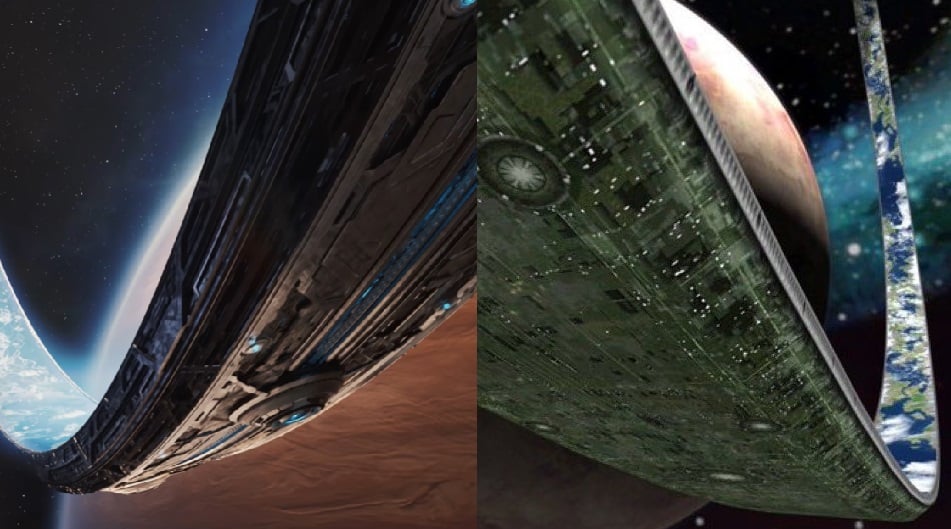
Marcus Lehto, the co-creator of Halo alongside Jason Jones at Bungie, delivered a blunt critique of the visual redesign in Infinite Games' Halo: Combat Evolved remake. Lehto called the game's reimagined Installation 04 ring structure "damn ugly" while publicly praising the studio's work on the Flood enemy redesign.
The remake launched recently as a substantial reimagining of the 2001 original that defined the first-person shooter genre on Xbox. Lehto's mixed assessment reveals tensions between visual modernization and preserving the iconic look that established the Halo franchise's identity across nearly two decades.
The ring's visual overhaul represents one of the most dramatic departures from the source material. Installation 04, the Halo ring environment players navigate throughout the campaign, carries symbolic weight in the series. Its distinctive appearance anchored players' sense of wonder and scale in the original game. The remake's decision to alter this foundational visual element drew Lehto's ire, despite his general goodwill toward the project.
His critique gains weight given his design pedigree. Lehto served as art lead on Combat Evolved and co-designed the Master Chief alongside Shinji Nishikubo. His vision shaped how players perceive Halo's core aesthetic language. When he declares the new ring "damn ugly," he speaks from the perspective of someone who helped architect the visual identity being modified.
Lehto's praise for the Flood redesign offers counterweight to his harsh assessment. The parasitic enemy faction, which emerges in the campaign's latter half, received substantial visual reconstruction. The remake's interpretation apparently convinced Lehto that the studio understood how to modernize Halo's creatures without losing their essence. The Flood's grotesque nature and absorptive gameplay implications translated successfully to the new engine and art direction.
This mixed verdict reflects broader industry debates about remaking classic games. Studios face pressure to justify remakes with visual upgrades and technical improvements. Yet altering recognizable elements risks alienating the original audience. Lehto's response suggests the remake team made calculated choices about which aspects to preserve and which to reinvent. The Flood redesign apparently hit the mark. The ring did not.
Infinite Games faced expectations as steep as the Halo ring itself. The studio acquired rights to remake the 2001 original years into Halo Infinite's live service phase, when fan sentiment around 343 Industries' stewardship grew volatile. A proper remake offered a chance to rebuild goodwill by returning to the series' roots while demonstrating technical prowess.
Lehto's comments will likely resonate in fan communities. Players invested in Halo's visual legacy monitor these projects closely. Professional criticism from series originators carries more authority than typical reviewer takes. His willingness to praise and criticize different elements suggests he evaluated the remake on its own terms rather than dismissing it wholesale.
The Halo: Combat Evolved remake enters a crowded remake market where games like Dead Space, Resident Evil 4, and Final Fantasy VII Remake set precedent for ambitious reimaginings. Success requires balancing reverence with reinvention. Lehto's assessment indicates Infinite Games succeeded partially but not entirely in walking that line.