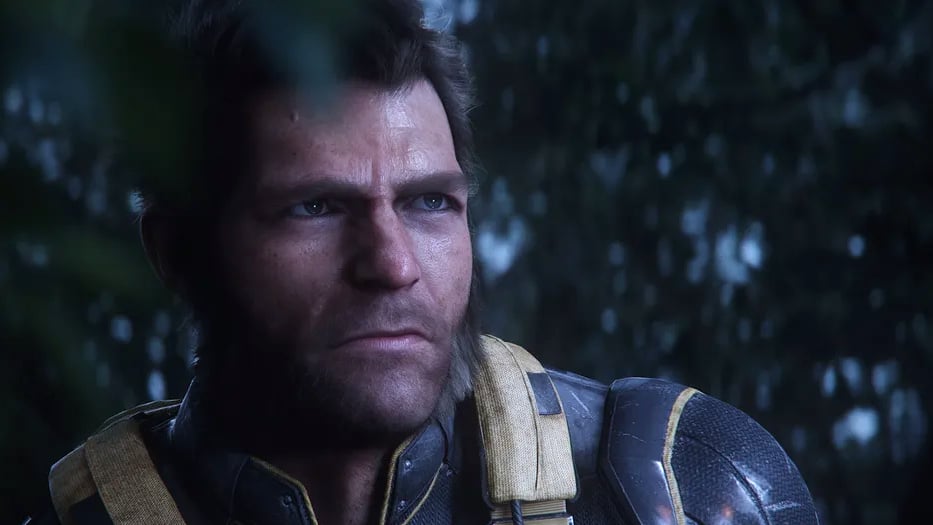
Insomniac Games is building something distinctly different with its upcoming Wolverine game. The studio behind the Spider-Man trilogy and Marvel's Spider-Man 2 isn't simply adapting existing X-Men canon. Instead, the developer is cherry-picking elements from decades of Wolverine lore and weaving them into an original narrative that stands apart from any previous adaptation.
The game pulls from multiple corners of Marvel's extensive Wolverine mythology. Developers confirmed the project draws inspiration from classic comic runs, character relationships, and storylines that shaped Logan's legacy across multiple decades. This approach lets Insomniac build something that feels authentically Wolverine without being bound to a single comic run or film continuity.
Combat appears central to the experience. Based on preview footage and developer commentary, Wolverine's berserker rage mechanics will anchor the fighting system. The game emphasizes visceral, brutal combat that reflects Logan's feral nature and healing factor. Players will trigger rage states that transform combat encounters, allowing for devastating finishing moves and aggressive momentum shifts. This design philosophy mirrors Insomniac's approach with Spider-Man, where gadget and ability trees created combat variety, but here the focus lands squarely on melee ferocity.
Environmental storytelling carries weight throughout. The developers noted that Wolverine's healing factor shapes how the game world reacts to damage. Destruction persists or regenerates based on Logan's involvement, creating visual feedback that reinforces his role in shaping the narrative. This extends beyond simple combat arenas into the broader world design.
The story targets mature themes. Insomniac isn't aiming for a Spider-Man 2-style pop-culture balancing act. The Wolverine game pursues grittier, more adult storytelling that explores Logan's trauma, his history of violence, and the personal cost of being a weapon. Character relationships will explore these depths rather than positioning them as side attractions.
Stealth gameplay factors into encounters. While combat dominates, Wolverine can approach situations with tactical awareness, using his heightened senses to track enemies and select engagement strategies. This mirrors how various Wolverine comics depict him as both brute force and cunning operative.
The team is building this as a standalone experience. Unlike the Spider-Man games that exist within a connected universe, Wolverine launches as its own self-contained story. This decision gives Insomniac freedom to pursue a distinct tonal direction without coordinating with other projects.
Insomniac hasn't announced a release window. The studio typically takes three to four years between major project launches. Given that Marvel's Spider-Man 2 shipped in October 2023, a 2026 or 2027 window appears realistic, though that remains speculation.
The Wolverine game represents Insomniac's ambition to prove its Spider-Man success wasn't a one-franchise phenomenon. Sony and Marvel are betting the studio can capture Logan's essence as effectively as it handled Peter Parker and Miles Morales. The early preview reactions suggest Insomniac understands what makes Wolverine tick. The finished product will determine whether that translates into the next major licensed franchise success.