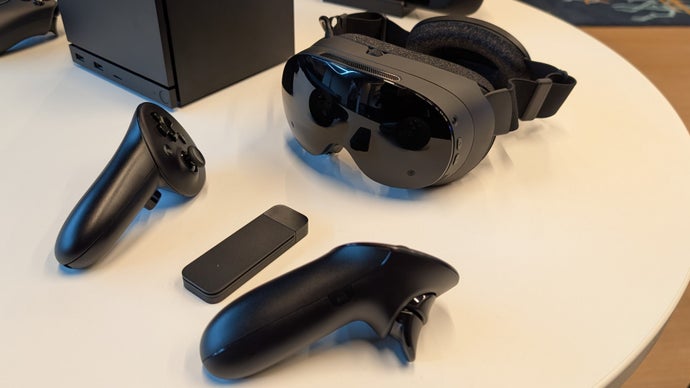
Valve's upcoming Steam Frame device faces steep odds in reshaping the VR market, even if hardware innovation alone won't cut it.
VR headset shipments have declined sharply in recent years. The market contracted after initial enthusiasm faded, leaving players skeptical about virtual reality's mainstream potential. Valve enters this downturn with the Steam Frame, a device positioned as the company's serious push into the VR space. But a cool piece of hardware won't resurrect an industry that struggles with software library depth, pricing accessibility, and compelling reasons for average gamers to strap on a headset.
The VR market faces a content problem. Players own headsets collecting dust because killer apps remain scarce. Shooters, puzzle games, and fitness experiences dominate shelves while AAA narrative-driven titles stay conspicuously absent. Until studios commit serious budgets to VR-exclusive games, the medium will languish as an expensive novelty rather than a platform destination.
Steam Frame's success hinges on Valve leveraging its distribution muscle. The platform already dominates PC gaming with over 120 million active users. If Valve bundles meaningful VR software with Steam Frame sales, offers aggressive pricing, or subsidizes major third-party developer projects, the device gains traction. Without these incentives, it becomes another well-engineered peripheral few will justify purchasing.
Price matters too. Current VR headsets cost between $500 and $1,500. Steam Frame must undercut competitors like Meta Quest and PlayStation VR2 while maintaining quality. Valve has the financial runway to absorb losses on hardware. Competitors don't.
The VR industry needs less focus on technical specs and more focus on why anyone should care. Steam Frame could become that answer if Valve commits to an ecosystem strategy beyond device sales. Backwards compatibility with existing SteamVR titles helps.