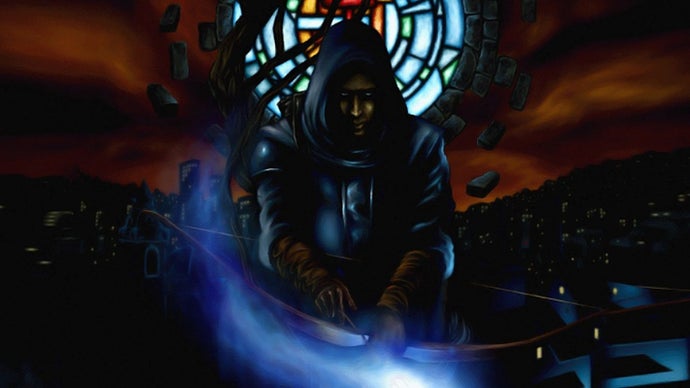
Randy Smith, a designer on the original Thief series, argues that triple-A budgets and immersive sims fundamentally clash. The genre has never delivered blockbuster sales, making massive studio investments financially unsustainable. Smith pushes back against the idea that bigger budgets automatically improve immersive sims, calling such thinking "a misread" of what makes the genre work.
Immersive sims prioritize systemic depth, player agency, and emergent gameplay over cinematic presentation and linear storytelling. Games like Thief, System Shock, and Dishonored succeed because they give players multiple solutions to problems and trust them to experiment. This design philosophy runs counter to AAA development, which typically demands spectacle, narrative control, and streamlined experiences that justify production costs.
The economics are brutal. Immersive sims appeal to a dedicated but niche audience. Darktide, Arkane's recent output, and the commercial struggles of Redfall demonstrate that even established studios can't guarantee returns on premium-priced immersive sims. Players seeking this design approach often prefer smaller, more focused indie titles or older classics that retain their systems-driven appeal.
Smith's position reflects industry reality. The last true AAA immersive sim that achieved critical and commercial success was likely Dishonored 2 in 2016, and even that underperformed relative to its budget. Since then, studios have retreated toward safer formulas. Immersive sims require design restraint, systemic complexity, and willingness to let players break intended solutions. These qualities resist the resource-heavy, risk-averse nature of modern triple-A production.
The genre thrives in indie and mid-budget spaces where design vision matters more than production scale. Games like Prey, designed by Arkane but with contained scope, proved the formula