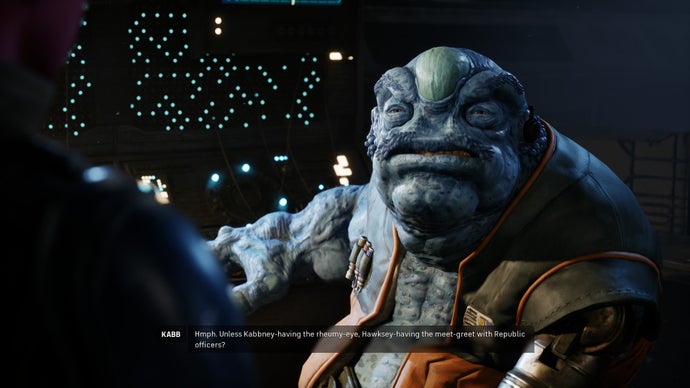
Bit Reactor's upcoming XCOM-style tactics RPG Star Wars: Zero Company puts players in control of Hawks, a custom character referred to with they/them pronouns. The choice reflects the studio's approach to gender expression in the game, moving beyond traditional male/female archetypes to include queer and transgender representation.
The feature carries practical implications. Using they/them pronouns reduces voice recording costs compared to multiple pronoun sets, but Bit Reactor's decision signals a broader commitment to inclusive character creation. Zero Company lets players build characters that reflect diverse gender identities, a relatively rare approach in AAA Star Wars games.
This stance gains weight given EA's ownership of the Star Wars license. EA, partially owned by Saudi Arabia's Public Investment Fund, has drawn criticism from queer advocates and players concerned about LGBTQ+ representation in games backed by less progressive entities. Bit Reactor faces an inherent tension between creative vision and publisher constraints.
The studio hasn't ruled out continued collaboration with EA but expressed caution. Developer representatives acknowledged uncertainty about future partnerships, saying "time will tell" regarding ongoing work with the Saudi-backed publisher. This reflects growing industry friction between independent developers' values and the commercial realities of working within major corporate structures.
Zero Company launches within an evolving landscape for Star Wars games. BioWare's The Old Republic included same-sex romance options over a decade ago, yet mainstream Star Wars titles have remained largely conservative with LGBTQ+ content. Bit Reactor's approach positions Zero Company as notably progressive for the franchise.
The game's queer-inclusive design matters beyond representation. It challenges assumptions that AAA tactics games require heteronormative defaults. Whether players embrace Hawks' pronouns or create their own characters, Bit Reactor demonstrates that inclusive design doesn't demand sacrificing gameplay depth or tactical complexity.
Whether this precedent influences EA's future Star Wars