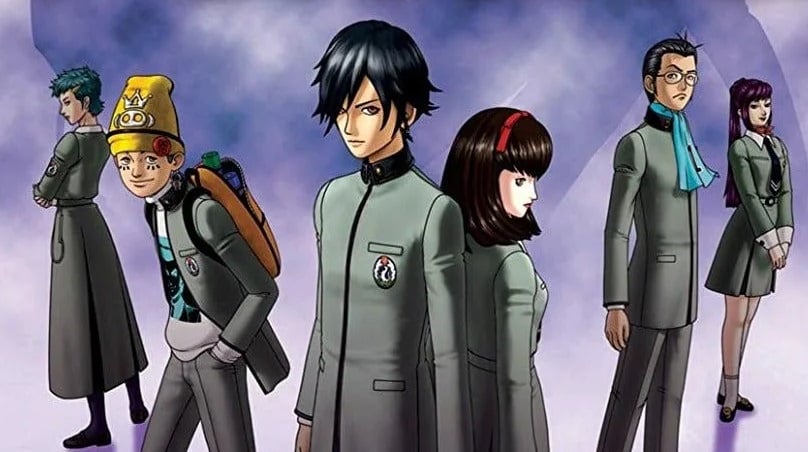
Persona's creative leadership views remakes of the series' first two entries as inevitable rather than optional. The director expressed that completing the trilogy with Persona 1 and 2 remakes feels like an obligation the studio has yet to fulfill.
Atlus has already delivered Persona 3 Reload, a comprehensive remake of the 2006 original that modernized the social link system, revamped combat, and brought the presentation up to current standards. That project's success has apparently created momentum and expectation for similar treatment of the earlier games.
The 1996 original Persona and its 1999 sequel remain the most dated entries in the franchise, with gameplay and narrative structures that feel substantially removed from what contemporary players expect. Persona 3 Reload proved there's appetite for this kind of restoration work. The remake sold over 2 million copies in its first week, demonstrating that fans will engage with older material when it receives proper modernization.
However, remaking the first two games presents unique challenges. Both entries relied on gameplay mechanics and storytelling approaches that have been substantially refined over subsequent installments. The original Persona's demon fusion system and Persona 2's branching narrative structure would require significant redesign to align with current standards without stripping away their identity.
The studio's phrasing suggests these remakes aren't in active development yet. Rather, the leadership acknowledges them as projects that logically should happen to round out the series' legacy. Whether Atlus pursues them depends on several factors: continued commercial success for Persona 3 Reload, developer capacity given ongoing work on Metaphor: ReFantazio and other projects, and whether fan demand justifies the substantial resource investment.
For players invested in the Persona timeline, this comment signals that official localization and modernization of the franchise's roots remains on the studio's radar, even if it