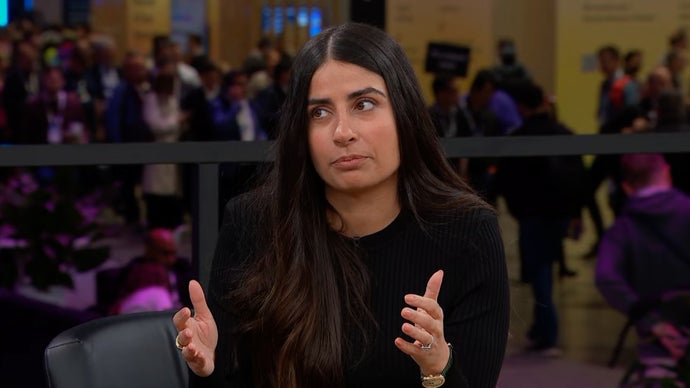
Xbox leadership is projecting a financial turnaround by summer 2027, weeks after the division shed thousands of jobs across studios including Arkane, Double Fine, Undead Labs, Compulsion, and Ninja Theory. Xbox CEO Asha Sharma and Microsoft CEO Satya Nadella framed the layoffs as necessary restructuring to align spending with revenue, acknowledging what Sharma called a failure to grow business in tandem with audience expansion.
The messaging represents Microsoft's attempt to stabilize investor confidence after a brutal reckoning for Xbox Game Pass, cloud gaming infrastructure, and first-party studios. The division has struggled to convert its massive subscription base into proportional revenue growth. Nadella and Sharma are essentially admitting that Xbox maintained bloated operational costs while not monetizing its audience effectively.
The timeline matters. Summer 2027 gives Xbox roughly 18 months to demonstrate recovery. That window depends on successful game releases, retention of Game Pass subscribers at current price points, and continued cloud gaming adoption. The division reportedly aims to consolidate around fewer, higher-impact titles rather than spreading resources across numerous projects in development.
Investors scrutinized Xbox's financial performance during Microsoft's earnings call. The parent company flagged gaming as underperforming relative to its installed base and subscription numbers. Internally, the layoffs targeted redundancy and misaligned projects, but publicly they read as an admission of strategic miscalculation.
The studio closures signal Xbox is retreating from experimental initiatives and mid-tier projects. This shift threatens the indie and AA ecosystem Microsoft had been cultivating. Games from shuttered teams now face cancellation or limbo status, affecting both player pipelines and the ecosystem's reputation.
Whether Xbox achieves this recovery hinges on unreleased titles, Game Pass subscriber retention despite price increases, and whether the remaining in-house studios can deliver commercially viable games.