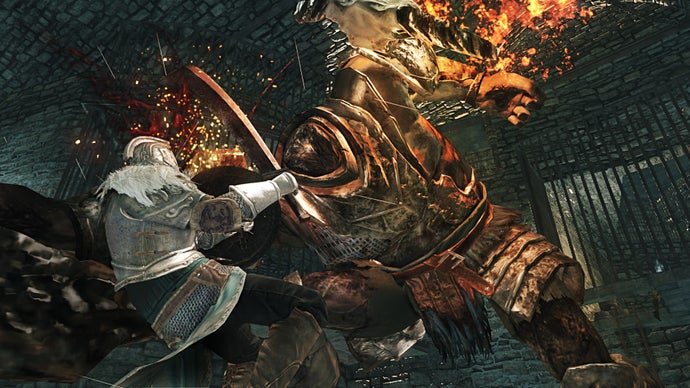
The Soulslike genre has become formulaic and stagnant in the years following Elden Ring's success, with countless imitators retreading familiar ground rather than innovating. FromSoftware's landmark titles, starting with Dark Souls, established a template so effective that the industry spent years copying its combat mechanics, bonfire checkpoints, and death-penalty systems. Elden Ring refined this formula to near-perfection, but its massive success paradoxically created a glut of derivative Soulslikes that lack the creative vision of the original.
The problem facing the genre today is clear. Studios attempt to replicate FromSoftware's success by mimicking surface-level design choices without understanding what made those games resonate. Stamina management, dodge-rolling, and punishing boss encounters became checkboxes rather than meaningful design pillars. Games like Nioh, Bloodborne, and Sekiro carved out their own identities by offering distinct takes on the formula, but recent releases have simply repackaged the same mechanics with different aesthetics.
Only FromSoftware possesses the design expertise and willingness to push the genre in unexpected directions. The studio never rests on established patterns. Dark Souls introduced interconnected world design. Bloodborne emphasized aggressive combat and horror atmosphere. Sekiro abandoned traditional leveling systems entirely in favor of skill-based progression. Elden Ring merged open-world exploration with the core Soulslike framework in ways that felt revolutionary rather than dilutive.
The industry needs FromSoftware to show the path forward. The studio has proven it understands when to deconstruct its own conventions, something few competitors attempt. Until other developers embrace genuine experimentation instead of chasing Elden Ring's sales figures, the Soulslike genre will continue feeling exhausted. FromSoftware's next project, whatever form it takes,