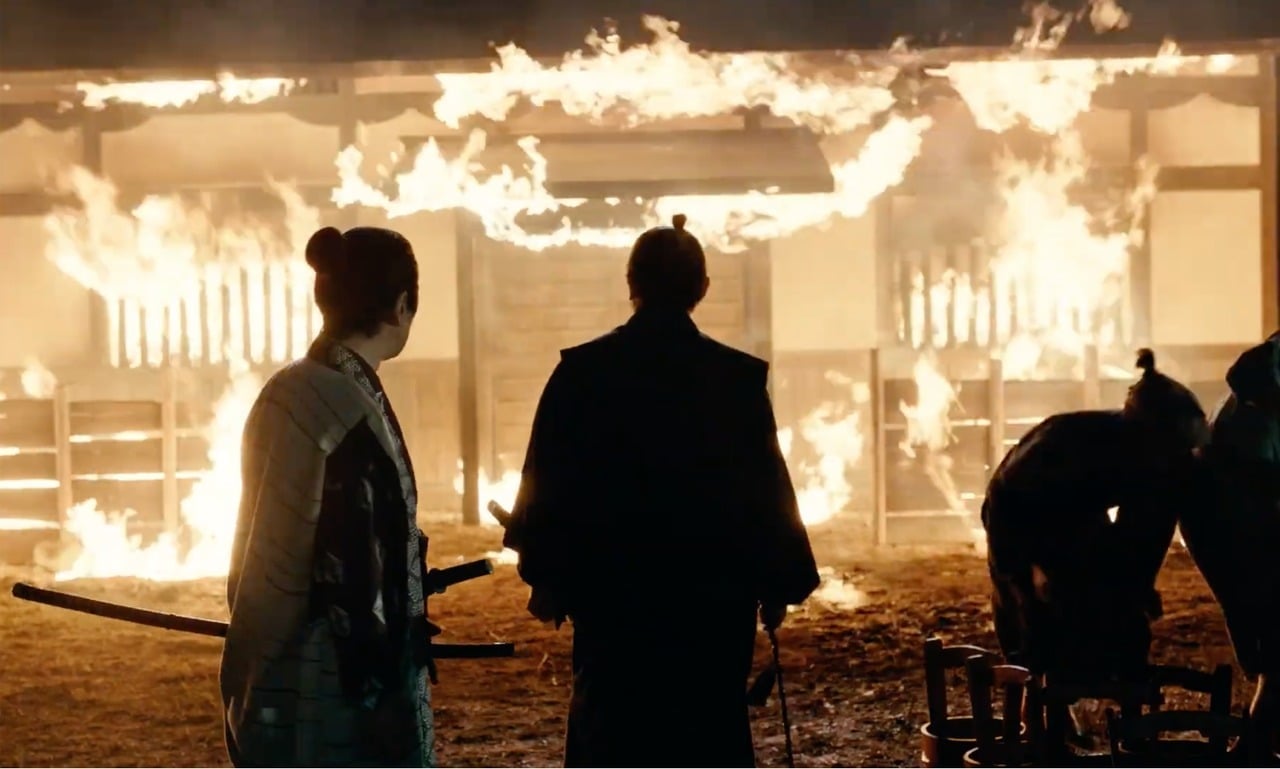
Kiyoshi Kurosawa directs "The Samurai and the Prisoner," a new samurai epic that reframes the mythic voyage narrative through a Japanese lens. Rather than following the Greek tragedy framework of Homer's Odyssey, where mortals defy divine law and face inevitable destruction, Kurosawa's film explores what happens when a feudal lord breaks tradition with good intentions, triggering supernatural consequences.
The narrative structure inverts the Western hero's journey. The protagonist operates within a system of honor and duty, yet his attempts to subvert rigid customs invoke curses from the gods. This philosophical clash between individual agency and cosmic order generates tension without relying on outright hubris or arrogance. The lord doesn't rebel against the divine; he simply reinterprets tradition, creating a more nuanced exploration of consequence than classical Greek tragedy allows.
Kurosawa brings his signature atmospheric direction to the period piece, building dread through restraint rather than spectacle. The samurai epic format gives him space to examine how power structures collapse when foundational beliefs are questioned. Unlike Odysseus facing Poseidon's wrath for blinding Cyclops, the lord here triggers divine retribution through compassion and compromise. The film suggests that tradition itself functions as law, separate from morality.
This positions the film as a counterpoint to prestige gaming narratives like Assassin's Creed Odyssey, which also grapples with fate versus free will. Where Odyssey frames the ancient world through a lens of rebellion and enlightenment, Kurosawa's samurai world operates on different metaphysical rules. The curse isn't punishment for defiance; it's the universe's refusal to accept change, even beneficial change.
The samurai epic genre offers richer philosophical ground than Western action games have traditionally explored. Kurosawa leverages the form's