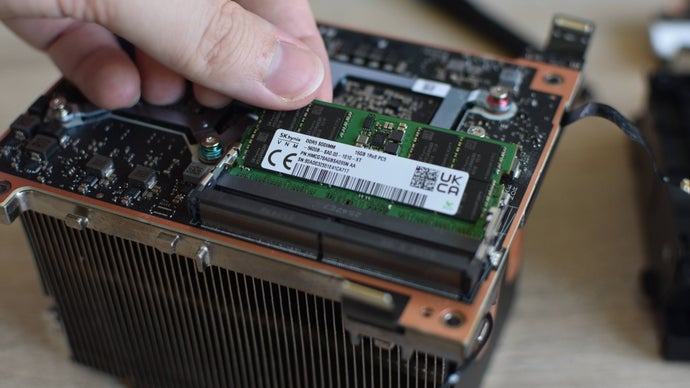
Samsung, Micron, and SK Hynix have already sold their entire RAM production capacity through 2027, according to industry reports. The three dominant memory manufacturers exhausted their inventory allocation two years ahead of schedule, signaling a severe supply crunch that could extend well into 2028.
DigiTimes first reported the development, noting that both standard DRAM and high-bandwidth memory (HBM) supplies face critical shortages. This isn't merely a supply timing issue. The premature depletion reflects surging demand from AI infrastructure buildouts, data center expansions, and gaming hardware manufacturers racing to stock inventory.
Gaming hardware stands directly in the crosshairs. PC builders, console makers, and peripheral manufacturers depend on steady RAM supplies at predictable prices. When capacity vanishes this early, procurement teams scramble to secure allocations through premium channels, driving component costs upward across the entire market.
The situation echoes the 2021-2022 semiconductor shortage, though with different origins. That crisis stemmed from pandemic disruptions and unexpected demand spikes. This one reflects artificial scarcity driven by deliberate industry consolidation. The Big Three control roughly 95 percent of the DRAM market globally. Their capacity ceilings effectively become market ceilings.
For gaming consumers, this means continued pricing pressure on RAM-dependent hardware through next year and beyond. Gaming PC components won't get cheaper in 2027. Pre-built systems will command premium markups. Console refresh cycles delayed or accelerated based on memory negotiations with suppliers.
Demand shows no signs of cooling. AI workloads consume memory at unprecedented rates. Every major tech company requires HBM for model training and inference. Consumer demand competes with enterprise spending. Enterprise always wins the bidding wars.
The manufacturers could theoretically expand capacity, but building new fabrication plants requires massive capital investment and two-