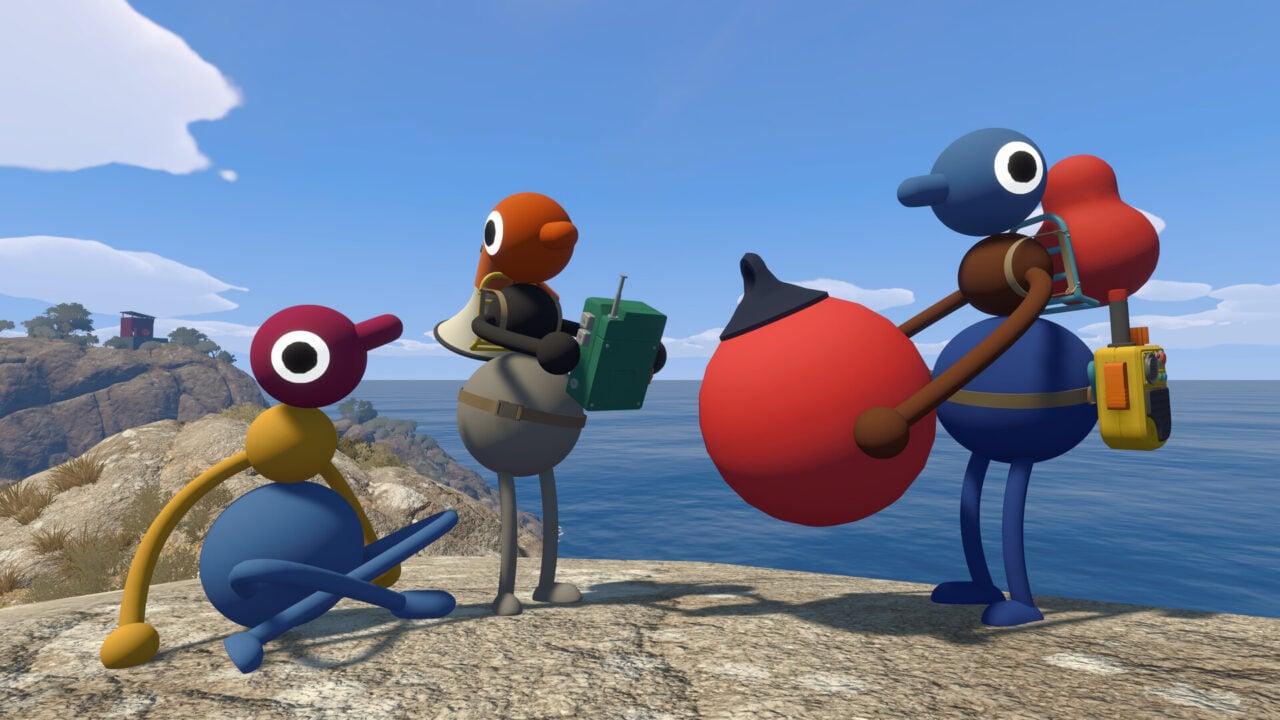
House House's latest project, Big Walk, continues the studio's tradition of charming, unconventional game design following the viral success of Untitled Goose Game. The co-op adventure demands genuine social connection from players, moving beyond the typical multiplayer formula that accommodates solo play.
Critics have praised Big Walk for its fresh approach to cooperative gameplay. The game actively encourages players to coordinate and communicate with partners rather than offering solo alternatives or offline options. This design philosophy forces meaningful interaction between players, rejecting the modern trend of optional co-op tacked onto single-player experiences.
House House built its reputation on experimental game design that prioritizes player behavior and social dynamics. Untitled Goose Game's massive success came partly from its social appeal. watching others play and sharing clips created organic viral marketing. Big Walk takes this further by making social connection a core mechanic rather than a side effect.
The co-op requirement reflects broader shifts in game design philosophy. Developers increasingly recognize that mandatory collaboration creates stronger communities and more memorable experiences than isolated play. Games like It Takes Two proved this concept commercially, with its co-op-only design generating critical acclaim and strong sales.
Player reception to Big Walk's forced collaboration has been positive, though the design choice will limit its addressable market. Gamers seeking solo experiences or asynchronous multiplayer options will need to look elsewhere. However, those who embrace the cooperative mandate report deeper engagement and stronger friendships formed through shared gameplay.
House House's decision to double down on co-op in an era of accessibility-focused game design represents a calculated risk. The studio prioritizes artistic vision and meaningful interaction over maximum market penetration. This approach aligns with independent developer values, where creative integrity often trumps commercial optimization.
Big Walk demonstrates that cooperative gameplay serves purposes beyond multiplayer convenience. It shapes player behavior, builds communities, and creates lasting social bonds. For players seeking games