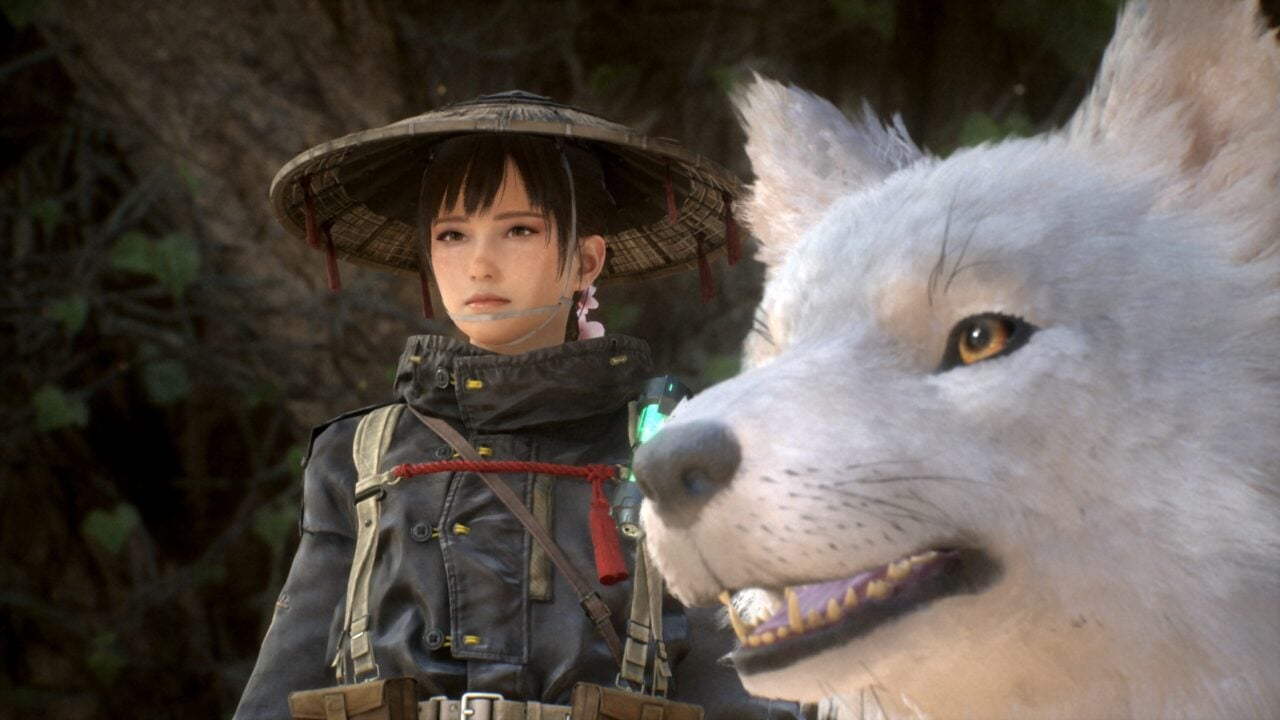
Beast of Reincarnation, the new project from Game Freak, operates in the Pokémon DNA space without carrying the official license. The game leans heavily into creature-collecting mechanics and trainer-style progression that defined the monster-battling franchise, but builds its own identity around those familiar foundations.
Game Freak's decision to work outside the Pokémon IP signals a strategic shift. The studio wants to explore monster-catching concepts without the constraints of The Pokémon Company's creative oversight. Beast of Reincarnation lets them experiment with themes and mechanics that feel distinctly Pokémon-adjacent while maintaining creative autonomy.
The game centers on reincarnation mechanics, a thematic departure from Pokémon's straightforward capture-and-train formula. Players collect creatures tied to cycles of rebirth and transformation, giving the creature-collecting loop a narrative spine that standard monster games often skip. This approach positions Beast of Reincarnation as spiritual successor rather than clone.
For players, this represents an alternative creature-collecting experience built by developers who fundamentally shaped the genre. Game Freak's expertise in pacing, encounter design, and progression systems translates directly. The studio understands what makes monster-catching compelling at a mechanical level.
The announcement also reflects broader industry trends. Nintendo and The Pokémon Company maintain strict creative control over the franchise, which can frustrate developer ambitions. By working independently, Game Freak can take risks and iterate faster than the mainline Pokémon schedule allows.
Beast of Reincarnation targets players fatigued by recent Pokémon releases like Scarlet and Violet, which faced criticism for performance and design stagnation. An internally-developed alternative from Game Freak carries legitimacy that fan-made monster games lack. The studio's pedigree matters here.