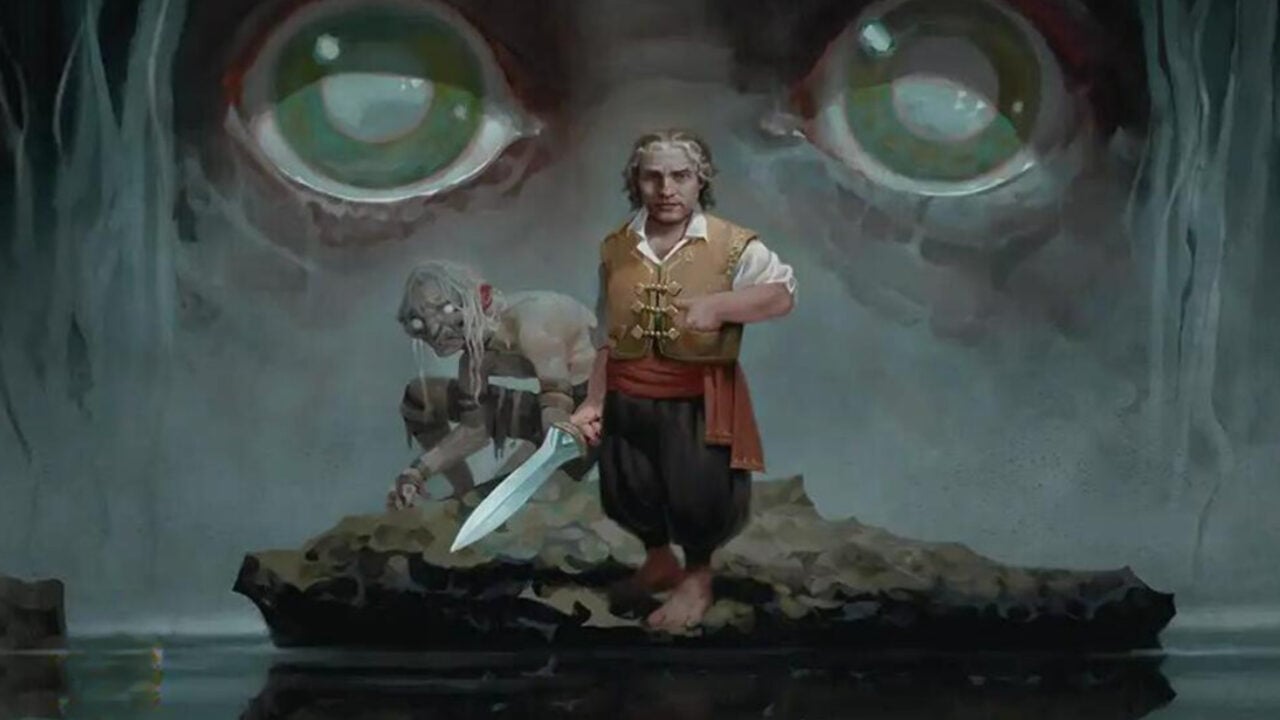
Wizards of the Coast dropped a new Magic: The Gathering card featuring Bilbo Baggins, and the internet lost it over the character's unexpected aesthetic overhaul. The hobbit, traditionally depicted as a rotund, unassuming middle-aged burglar in J.R.R. Tolkien's works, appears on the card as a conventionally attractive figure with sharp features and a lean physique. This departure from canonical design sparked immediate discourse across gaming communities.
The card is part of Magic's Lord of the Rings: Tales of Middle-earth expansion, which launched in 2023 and marked the first official collaboration between Wizards of the Coast and the Tolkien Estate. The set pulled directly from Tolkien's source material to create cards depicting characters and moments from the books. Bilbo's redesign highlights the ongoing tension between literal source adaptation and contemporary illustration trends in trading card games.
Magic has faced consistent criticism for inconsistent character interpretations across its expansions. The game's art direction frequently prioritizes marketability and modern aesthetic sensibilities over fidelity to original designs. Players noted that this approach contradicts Magic's own established lore, where Bilbo's physical description emphasizes his ordinariness and commonness among hobbits. The card's stylized interpretation favors appeal over authenticity.
The reaction mixed genuine humor with pointed observation about art direction in collectible card games. Some players appreciated the fresh take, while others saw it as emblematic of broader industry trends toward homogenizing character designs. The controversy remains relatively light-hearted compared to previous art directive debates in Magic, but it underscores how visual presentation influences player perception and reception.
This moment reflects Magic's balancing act between honoring legendary source material and meeting modern illustration standards. Bilbo's "yassification" became shorthand for discussing how gaming adaptations reshape cultural icons,