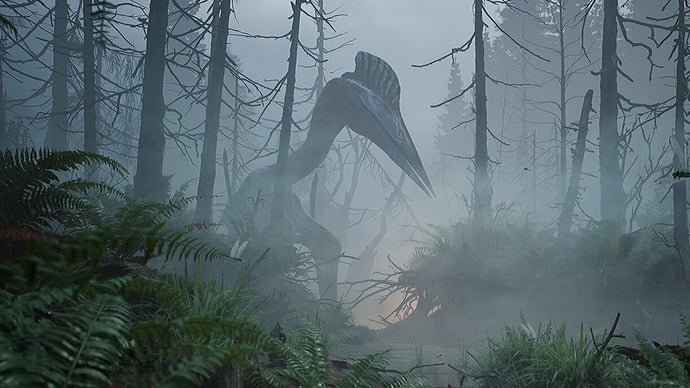
Gary Napper, former design director at Rare, is drawing parallels between his upcoming dinosaur survival game The Lost Wild and Microsoft's cancelled nature fable Everwild. Both projects prioritize creature believability and consistency during close-quarters encounters with wildlife.
Napper worked on Everwild before Microsoft terminated the project during last summer's Xbox layoffs. He's now applying lessons from that experience to The Lost Wild, which tasks players with surviving in a prehistoric environment populated by dinosaurs that behave according to defined, logical rules.
The designer emphasizes that creature authenticity matters more when players observe animals up close. In survival games, proximity breeds tension. If dinosaurs behave inconsistently or unrealistically at close range, immersion breaks. Napper's philosophy mirrors his work on Alien: Isolation, the 2014 Creative Assembly stealth-horror classic where the xenomorph's believable AI elevated the entire experience.
The Lost Wild enters a crowded survival genre but differentiates itself through creature design philosophy. Rather than spawning threats randomly, Napper's dinosaurs operate within consistent behavioral frameworks. Players who understand these patterns gain tactical advantages, similar to how Alien: Isolation players learned the xenomorph's habits to outsmart it.
Everwild's cancellation reflects Microsoft's shifting priorities. The nature sim never found its footing during development, struggling to define its core appeal beyond environmental aesthetics. By contrast, The Lost Wild has a clearer hook: survive encounters with prehistoric predators through observation and tactical thinking.
The indie space increasingly attracts veteran designers departing major publishers. Napper's move to develop The Lost Wild independently suggests confidence in the project's commercial viability. Survival games remain popular with players, particularly titles emphasizing ecological systems and creature behavior over narrative spectacle.
The Lost Wild launches in early access, allowing Napper