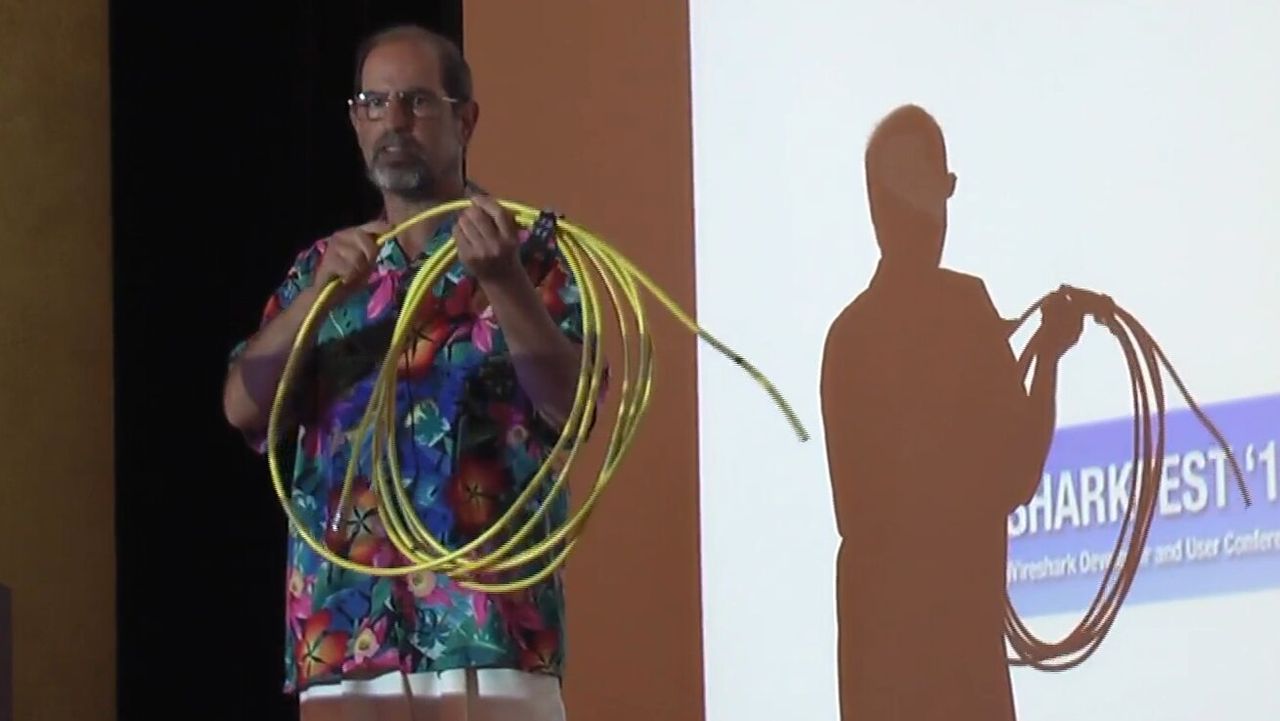
# Gaming's Forgotten Safety Feature: Why Ethernet Cables Were Bright Yellow
The original ethernet cables shipped in a distinctive 1968 Corvette yellow color, a design choice rooted in legitimate safety concerns during the 1980s. Engineers deliberately chose the bright hue to visually distinguish network cables from power cables, preventing dangerous mix-ups during installation.
The reason for this distinction ran deeper than aesthetics. Early ethernet installations required drilling directly into cables to attach connectors. Workers needed instant visual confirmation they were drilling into the correct line. A mistaken drill bit into a live power cable posed genuine electrocution risks. The yellow color provided that critical visual safeguard in an era before standardized cable management practices existed.
This design decision reflects how early computing infrastructure lacked the safety conventions we take for granted today. Network technicians worked without the benefit of color-coded systems, cable labels, or modular connectors that became standard later. The bright yellow served as a loud, unavoidable warning: this cable is different. Treat it accordingly.
The ethernet standard itself emerged from Xerox's experimental work in the 1970s before becoming an industry backbone through the 1980s and 1990s. As offices and data centers expanded their networking capabilities, the risk of catastrophic installation errors climbed. The yellow cable became the failsafe mechanism when human attention flagged.
Modern ethernet standards eliminated the need for this crude safety measure. Standardized RJ45 connectors, improved cable management systems, and widespread industry knowledge about proper installation made the distinctive coloring unnecessary. Contemporary ethernet cables blend seamlessly into cable management infrastructure, tucked behind walls and through cable runs without incident.
This forgotten design choice illustrates how hardware engineering solves real-world problems specific to its era. The yellow ethernet cable represented 1980s problem-solving, born from genuine workplace hazards and the lack