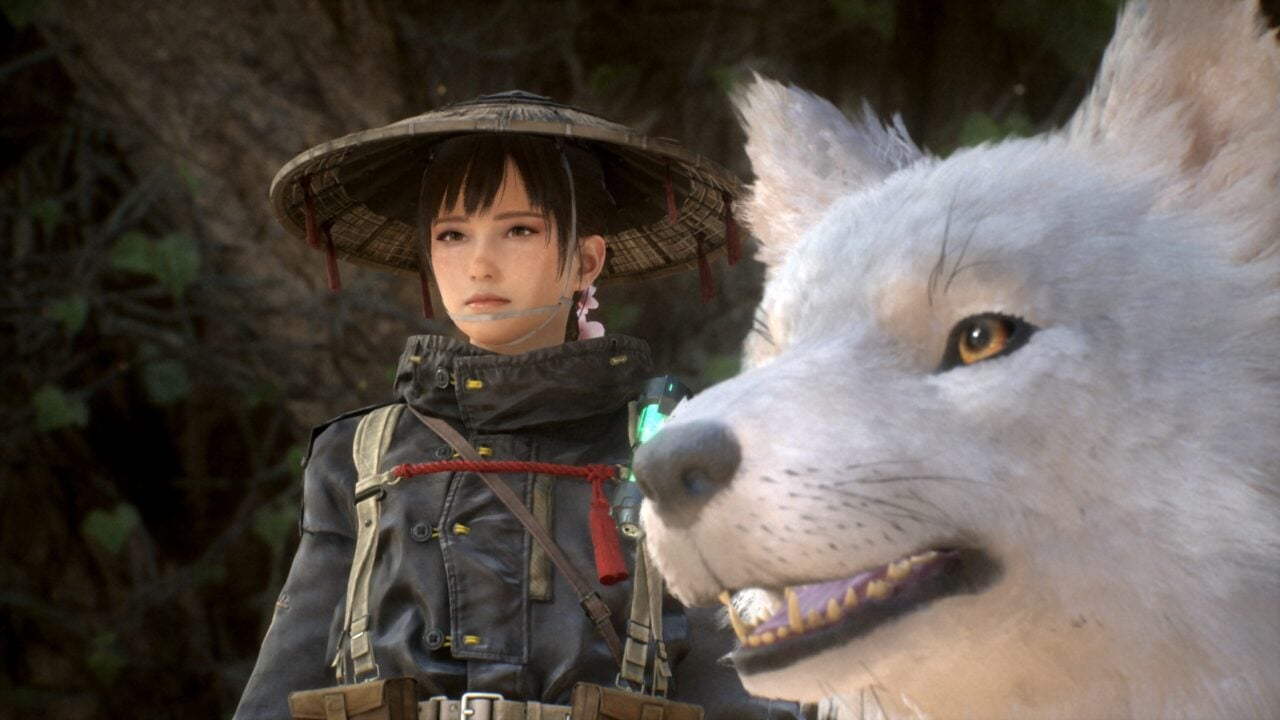
"Beast of Reincarnation" raises a question many players ask before diving into emotional narratives. The game follows Koo, a dog character central to the story, and players rightfully want to know whether the game subjects them to pet death.
The answer is no. Koo survives the entire experience. The dog remains a constant companion throughout Beast of Reincarnation, avoiding the tragic fate that haunts similar story-driven games. This matters because pet death scenes carry real emotional weight for players. Games like I Am Alive and Firewatch weaponize animal deaths to create lasting impact. Beast of Reincarnation takes a different approach.
The game itself centers on themes of rebirth and reincarnation, but Koo's arc doesn't terminate in tragedy. Instead, the narrative explores what reincarnation means across multiple perspectives and timelines. Koo functions as an emotional anchor, grounding players in the story through a relationship they can trust won't end in heartbreak.
This design choice reflects broader shifts in how story games handle player attachment. Developers increasingly recognize that killing beloved characters creates lasting resentment rather than meaningful dramatic weight. Beast of Reincarnation's commitment to keeping Koo alive suggests the team prioritized emotional resonance over shock value.
For players sensitive to animal harm in media, Beast of Reincarnation clears a major barrier to entry. The game can deliver its thematic punch without forcing players through one of gaming's most distressing scenarios. It's a conscious decision that respects player agency while maintaining narrative depth.