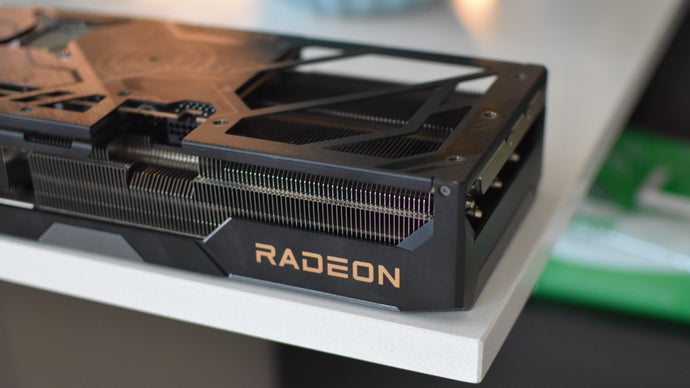
AMD is raising graphics card prices in lockstep with Nvidia, capitalizing on an ongoing memory shortage driven by AI demand. Both chipmakers are hiking GPU costs as the price of VRAM continues to spike globally.
The memory crisis shows no signs of easing. High-bandwidth memory and standard RAM remain expensive components in modern graphics cards, and AI infrastructure investments have consumed massive quantities of available supply. This squeeze flows directly to consumer GPU pricing.
AMD's move mirrors Nvidia's recent price increases across multiple product tiers. The Radeon RX 9070 XT and other recent launches arrive at higher MSRPs than their predecessors, following the same pattern Nvidia established with its RTX 40-series cards. Neither company can escape component costs that now reflect a supply chain tilted toward AI accelerators and data center hardware.
This creates friction in the gaming GPU market. PC gamers already faced brutal pricing during the crypto-mining boom and subsequent cryptocurrency crash. The current memory shortage adds another layer of expense without delivering performance gains, just cost pass-throughs. Budget and mid-range cards suffer most, where consumers are most price-sensitive.
The shortage extends beyond graphics cards. SSDs are also climbing in price as manufacturers struggle with memory production capacity. Valve and other industry observers have warned conditions could deteriorate further before improving.
For AMD specifically, the price hikes test brand loyalty. Nvidia's dominant market position allows it more pricing flexibility, but AMD depends on competitive advantages like better value propositions and driver reliability. Matching Nvidia's prices without comparable performance leads customers toward Nvidia's established software ecosystem and DLSS technology, which AMD counters with FSR and RDNA architecture improvements.
Resolution remains uncertain. Memory production will eventually normalize, but not quickly. Until then, both AMD and Nvidia will maintain elevated pricing. Budget-conscious builders should expect painful GPU costs throughout 2025