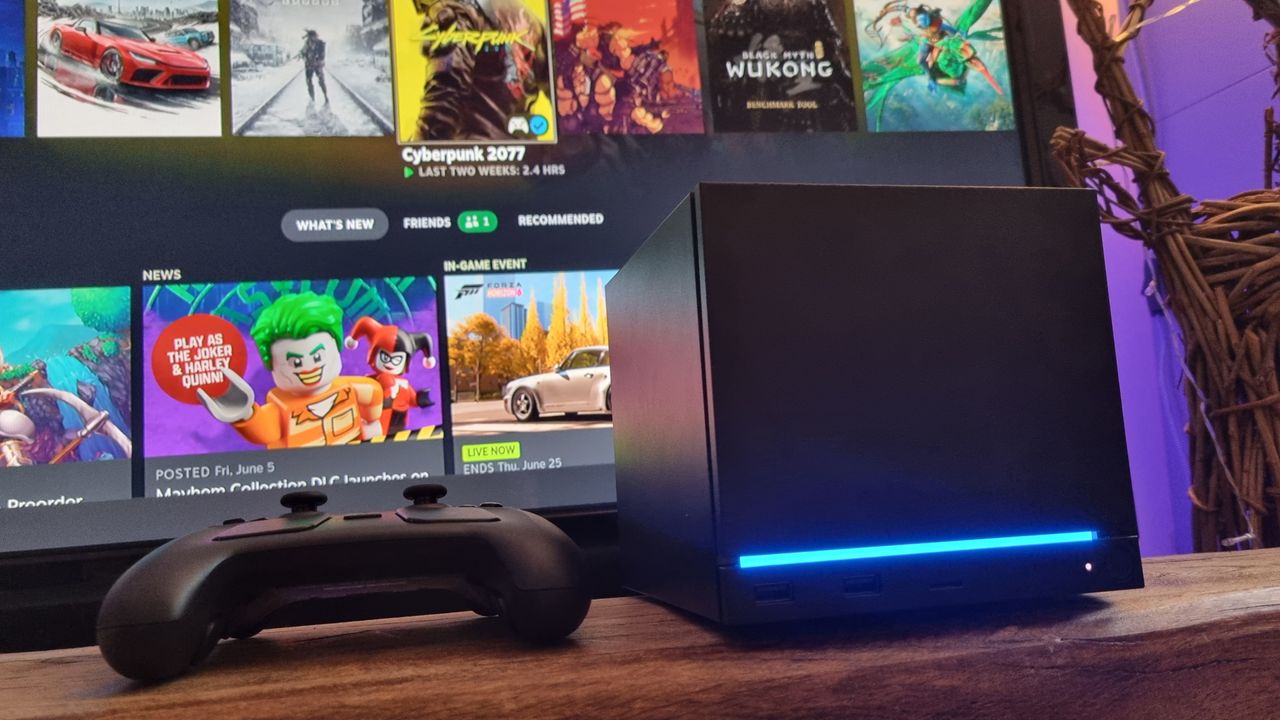
Valve's Steam Deck and Steam Machine ecosystem faces an existential test. The handheld and PC hardware lines, once pitched as gateways to accessible PC gaming, now confront a storage and memory crisis that threatens their viability in a market where component costs continue climbing.
The Steam Deck, launched in 2022, revolutionized portable AAA gaming by delivering console-quality performance in handheld form. Valve positioned it as a bridge for mainstream audiences skeptical of traditional PC gaming's complexity. The original vision emphasized affordability and simplicity. However, rising memory costs and semiconductor supply constraints have created production pressure. Games now demand larger storage capacity than anticipated. The base 256GB model struggles with modern titles demanding 100GB or more per installation.
Steam Machine ambitions crumbled years ago, but the Deck's momentum made Valve's hardware division relevant again. The company sold over 3 million units and established a loyal audience. Yet economics shift. NAND flash prices fluctuate unpredictably. Manufacturing costs eat into margins. Valve must decide whether to raise prices on refreshed models or absorb costs and shrink profit.
Competitors circle closer. ASUS ROG Ally gained traction with Windows 11 integration. Nintendo Switch successor rumors intensify. The handheld gaming market that looked wide open in 2022 now appears crowded and cost-conscious.
Valve's strategy hinges on software optimization. Steam Deck Verified ratings push developers toward efficient coding. Shader caching and proton improvements reduce installed footprints. Yet hardware limitations remain. A memory crisis forces conversations previously postponed: Does Valve raise prices? Does it reduce storage on base models further? Does it exit hardware iteration entirely and focus on software compatibility?
The Steam Deck proved handheld PC gaming could reach mainstream audiences. The memory crisis tests whether Valve