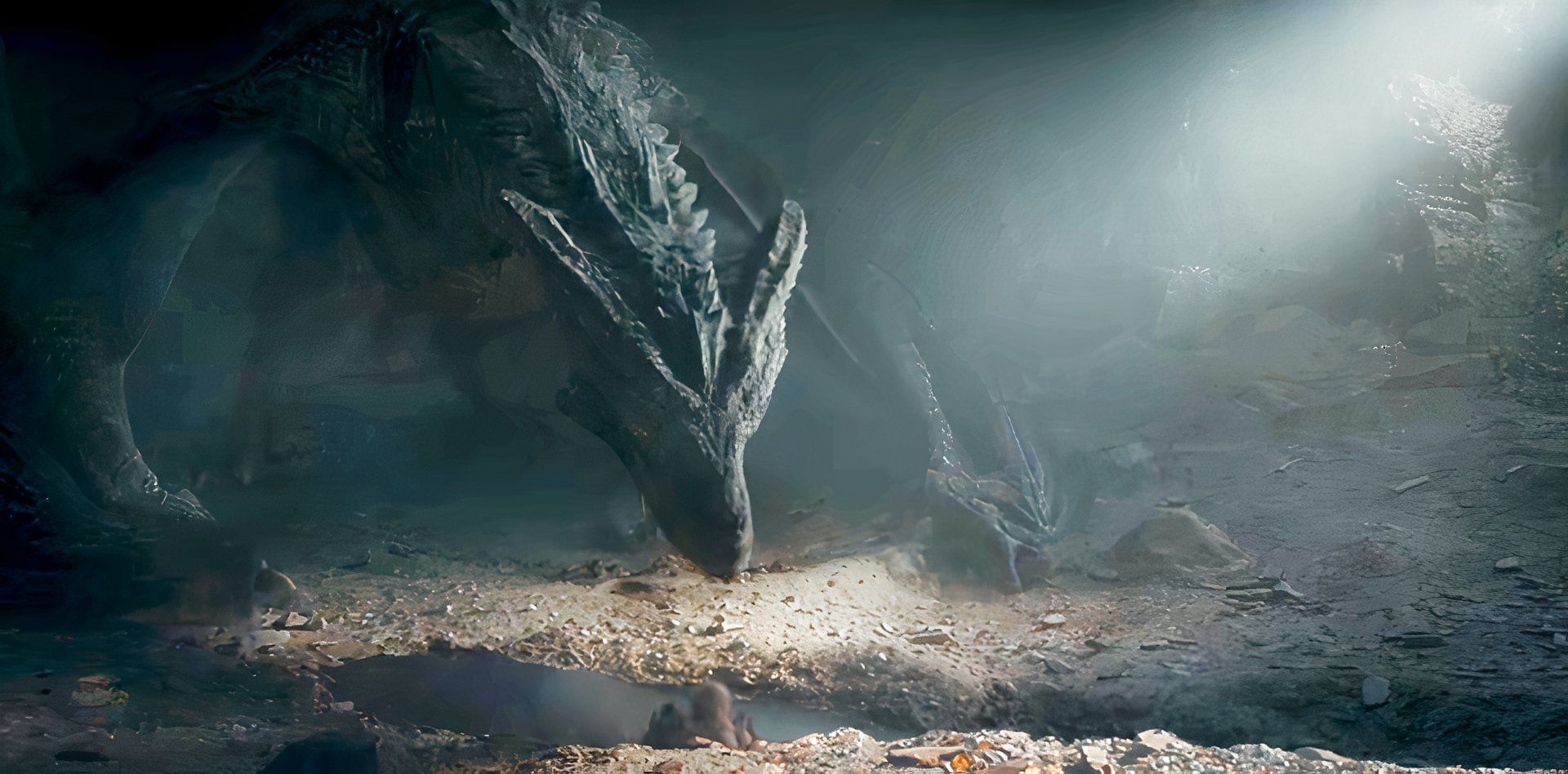
House of the Dragon season 2 has revealed the motivations behind one of Fire & Blood's most significant betrayals, with Ormund Hightower orchestrating a major scheme that reshapes the Targaryen civil war. The character's political maneuvering signals a turning point in the conflict that George R.R. Martin's source material built its reputation upon.
Hightower's betrayal carries weight because it demonstrates how personal ambition and family politics override loyalty during the Dance of the Dragons. The show's writers used season 2 to flesh out the Hightower family's role in the war, transforming what could have been a simple plot point into a character-driven moment grounded in desperation and calculation. This approach mirrors House of the Dragon's broader strategy of deepening the source material's political intrigue.
The reveal matters for viewers invested in understanding the war's chaos. Hightower doesn't act in isolation. His schemes connect to larger power struggles within the Green faction, where unity constantly fractures under pressure. By showing his reasoning on screen, the series gives audiences insight into why the Targaryen civil war becomes so brutal and prolonged. Betrayal flows from genuine conflict between competing interests, not random villainy.
For House of the Dragon's narrative, this moment sets up critical consequences in the remaining episodes. Betrayals of this magnitude typically trigger cascading reactions. Dragons die. Armies shift allegiances. The balance of power tips dramatically. The show has established that actions have teeth, so Hightower's machinations will likely ripple across multiple storylines.
The handling of this betrayal also reflects House of the Dragon's maturation as an adaptation. Season 1 sometimes struggled to balance spectacle with storytelling substance. Season 2 commits harder to political complexity, trusting viewers to follow intricate schemes. Showing Hightower