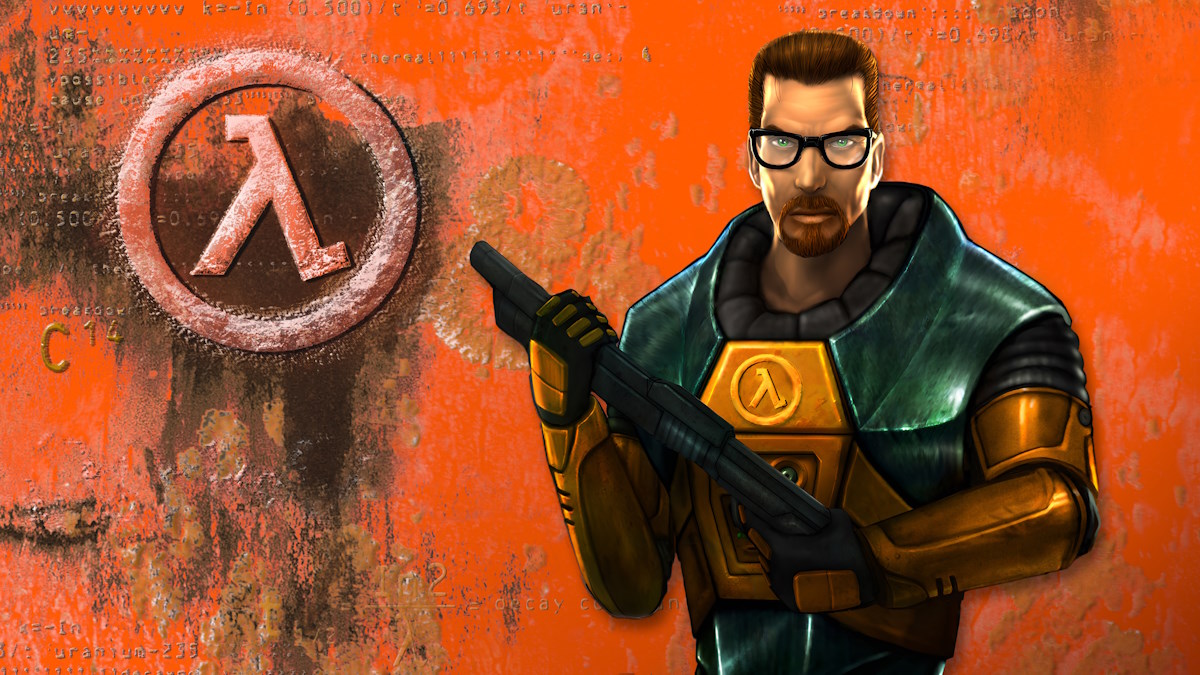
A fan developer has successfully ported Half-Life to the PlayStation 1, completing a project that reveals why Valve never tackled the conversion themselves. The port runs at 240p resolution, delivering the classic 1998 first-person shooter on 32-bit hardware that was never designed to handle the game's demands.
The technical achievement is real, but it comes with significant compromises. Running the original game on PS1 architecture required stripping back graphics, reducing draw distances, and optimizing every asset for hardware that shipped with 4MB of RAM. The port demonstrates the massive gap between PC specifications that Half-Life required at launch and what the PlayStation 1 could feasibly execute.
Valve's decision to skip a PS1 port now makes practical sense. The studio focused its console efforts on bringing Half-Life 2 to Xbox in 2005, a platform with substantially more power. A PS1 conversion would have demanded either significant gameplay changes or produced a severely compromised product that might damage the franchise's reputation.
The fan project carries historical value regardless. It shows what determined reverse-engineering and optimization can accomplish outside commercial constraints. Players curious about Half-Life's roots can now experience the game's core loop on vintage hardware, even if the presentation suffers. The 240p resolution and reduced graphical fidelity create a time-capsule effect that some retro enthusiasts will find appealing.
This port exists in the same space as other community-driven conversions. Fans have ported everything from Doom to Quake to unexpected platforms, often proving that impossible conversions become possible with enough technical knowledge and patience. Valve's archives reportedly contained internal PS1 prototype builds that never shipped, suggesting the company seriously evaluated but ultimately rejected the platform.
The fan port's existence doesn't change Half-Life's legacy or Valve's original decisions. It simply demonstrates why those