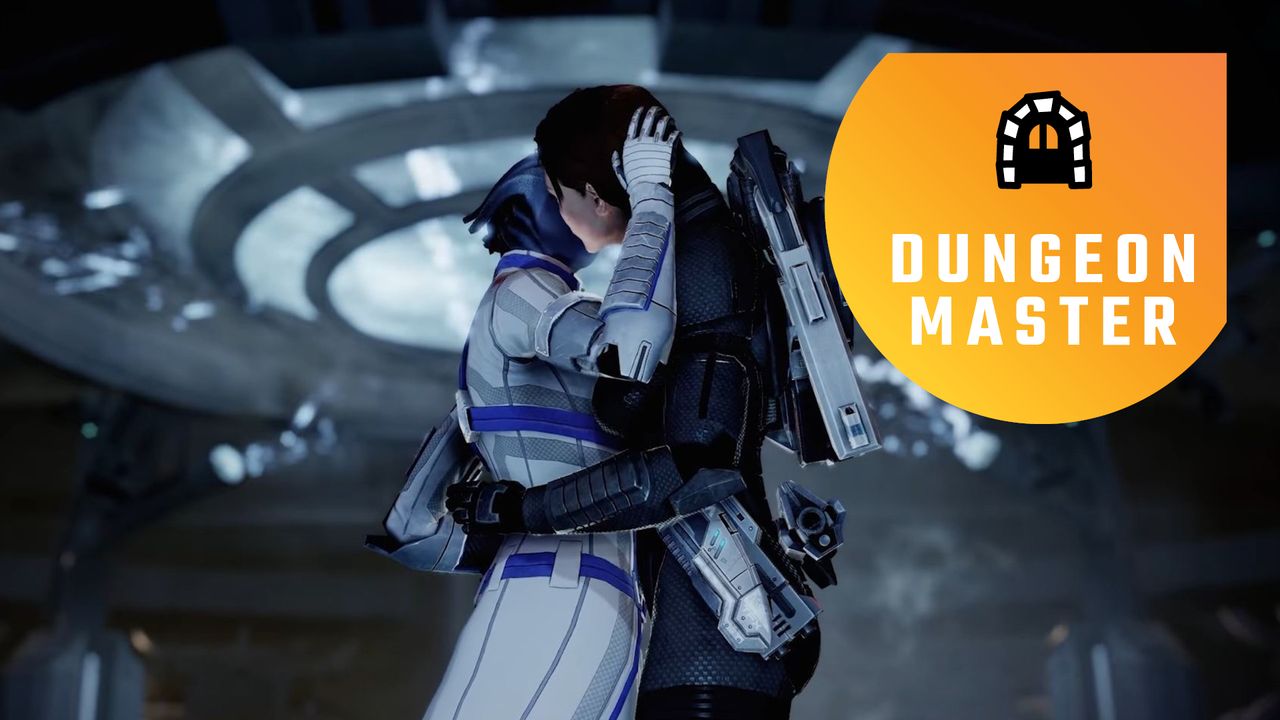
The romance system has become standard equipment in modern RPGs, but its necessity remains contested among players and developers. PC Gamer examines whether romanceable companions genuinely enhance gameplay or simply pad out content.
Romance mechanics arrived as a defining feature in franchises like Mass Effect and Dragon Age, where relationship progression unlocked unique dialogue, quests, and story branches. These systems created emotional investment in party members and offered players agency in shaping their narrative experience. Bioware's formula proved commercially viable, spawning countless imitators across AAA and indie titles.
However, romance systems carry real costs. They demand substantial voice acting, writing, and animation resources. Poor execution produces cringeworthy dialogue trees and shallow character development. Some argue the mechanic attracts "romance tourists" who prioritize bedding companions over engaging with actual gameplay mechanics or story substance. Mandatory romance content can feel forced when characters lack chemistry or when their relationship arcs contradict the main plot.
The counter-argument gains traction from successful RPGs that minimize or skip romance entirely. Baldur's Gate 3 offers romance options but never demands them, letting players engage with companions as allies rather than potential partners. Elden Ring sidesteps romance altogether while maintaining compelling NPC interactions. These titles prove engagement doesn't require intimacy mechanics.
Nuance matters here. Romance works when writers treat it as storytelling, not checkbox features. Fallout: New Vegas excels because companion relationships develop organically through dialogue and shared experience. Failed examples treat romance as collectible content, reducing characters to reward unlocks.
The real question isn't whether RPGs need romanceable companions, but whether developers should prioritize writing quality over system breadth. Resources spent on romance could fund deeper companion quests, stronger dialogue, or more meaningful story consequences. Baldur's Gate 3 proved players want substantive character interaction above all else