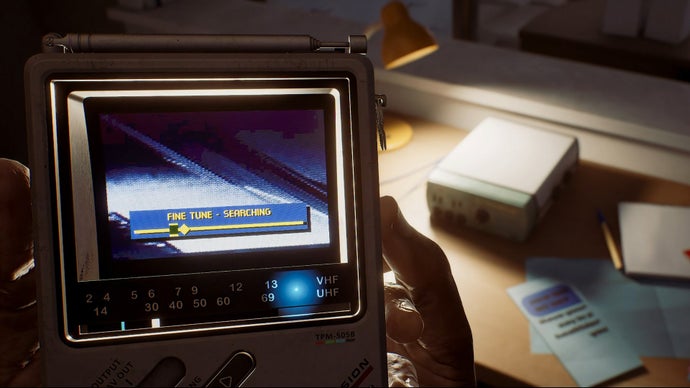
Silent Hill: Townfall leans into '90s aesthetic as a deliberate psychological tool. Developer Trailerpark Games set the game during that era, swapping the franchise's iconic radio for a portable CRT television. The choice wasn't arbitrary. The studio intends to weaponize player nostalgia, using outdated technology to create discomfort rather than comfort.
This approach directly contrasts recent Silent Hill entries. The Short Message's fake iPhone felt anachronistic to players familiar with the series' atmospheric roots. Townfall avoids that jarring disconnect by committing fully to the period. A CRT screen becomes more than visual window dressing. It becomes a vehicle for psychological horror.
The strategy targets a specific player psychology. Nostalgia typically triggers positive associations. Most gamers remember '90s tech with fondness. Trailerpark Games flips that script. The portable CRT, once a gateway to entertainment, transforms into something unsettling within Townfall's narrative context. That cognitive dissonance between what players expect to feel and what they actually experience drives the horror.
Whether this gamble pays off remains uncertain. Nostalgia operates differently across player bases. Younger audiences may miss the intended effect entirely if they lack genuine connection to '90s technology. Older players might resist having their cherished memories weaponized against them. The emotional manipulation, however sophisticated, requires the right audience to land effectively.
Townfall arrives at an interesting moment for Silent Hill. Bloober Team's recent entries attempted modernization with mixed results. Townfall's retro commitment represents a philosophical pivot. Rather than updating the franchise's touchstones, Trailerpark Games doubles down on historical authenticity.
The execution will determine success. Period-appropriate design alone doesn't guarantee horror. The actual implementation of how that CRT creates dread, how the '90s setting in